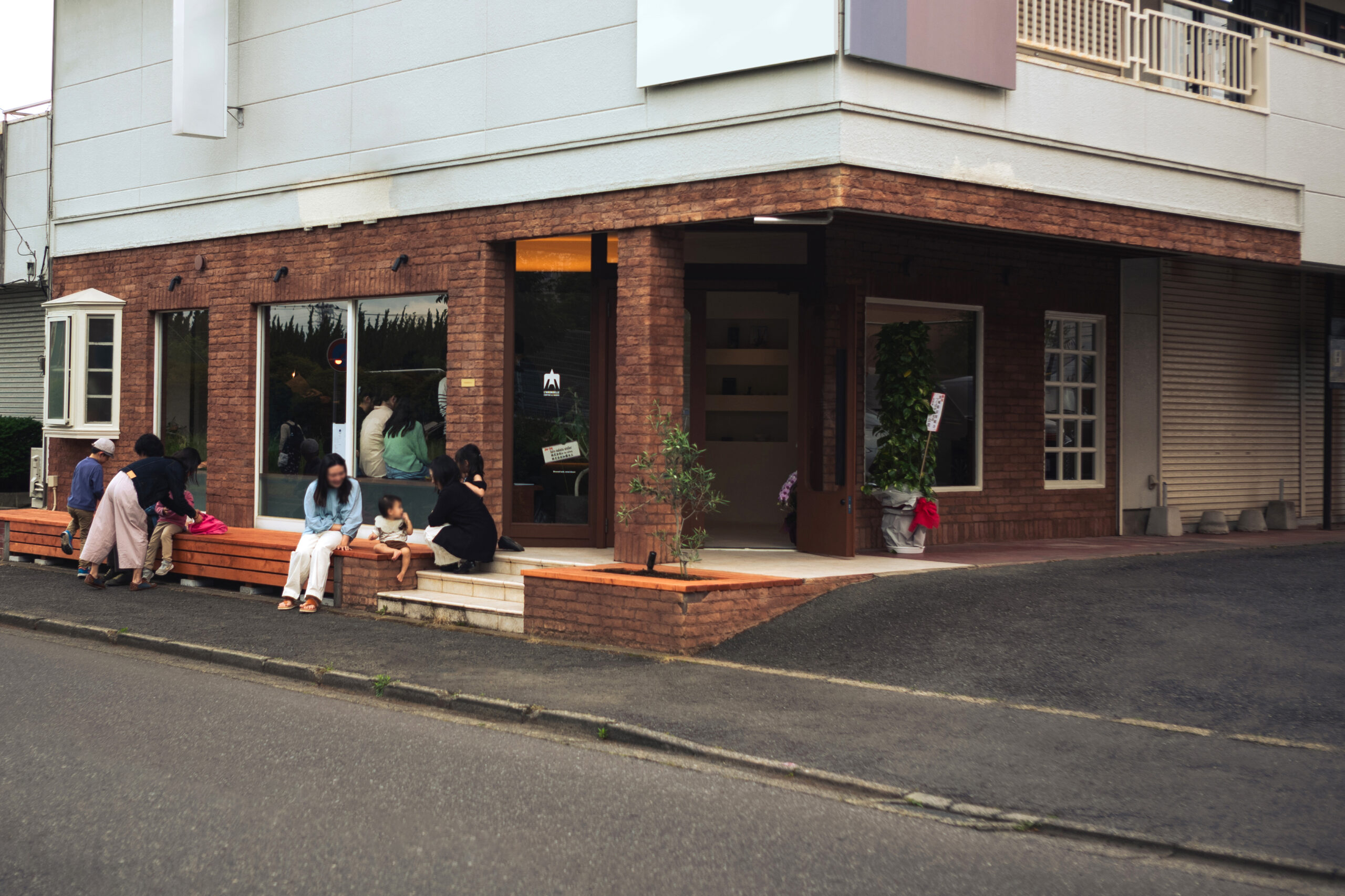
L’hirondelle
data
| 竣工 | |2025年 |
| 所在地 | |茨城県つくば市 |
| 用途 | |コーヒーショップ |
| 規模 | |鉄骨造 地上2階※対象テナント1階 |
| 延床面積 | |52.56㎡(対象テナント) |
| 設計 | |hiro nakata atelier |
| 施工 | |株式会社 ie to niwa |
| 家具製作 | |株式会社加藤木工 |
| 照明デザイン | |DAISUKI LIGHT inc. |
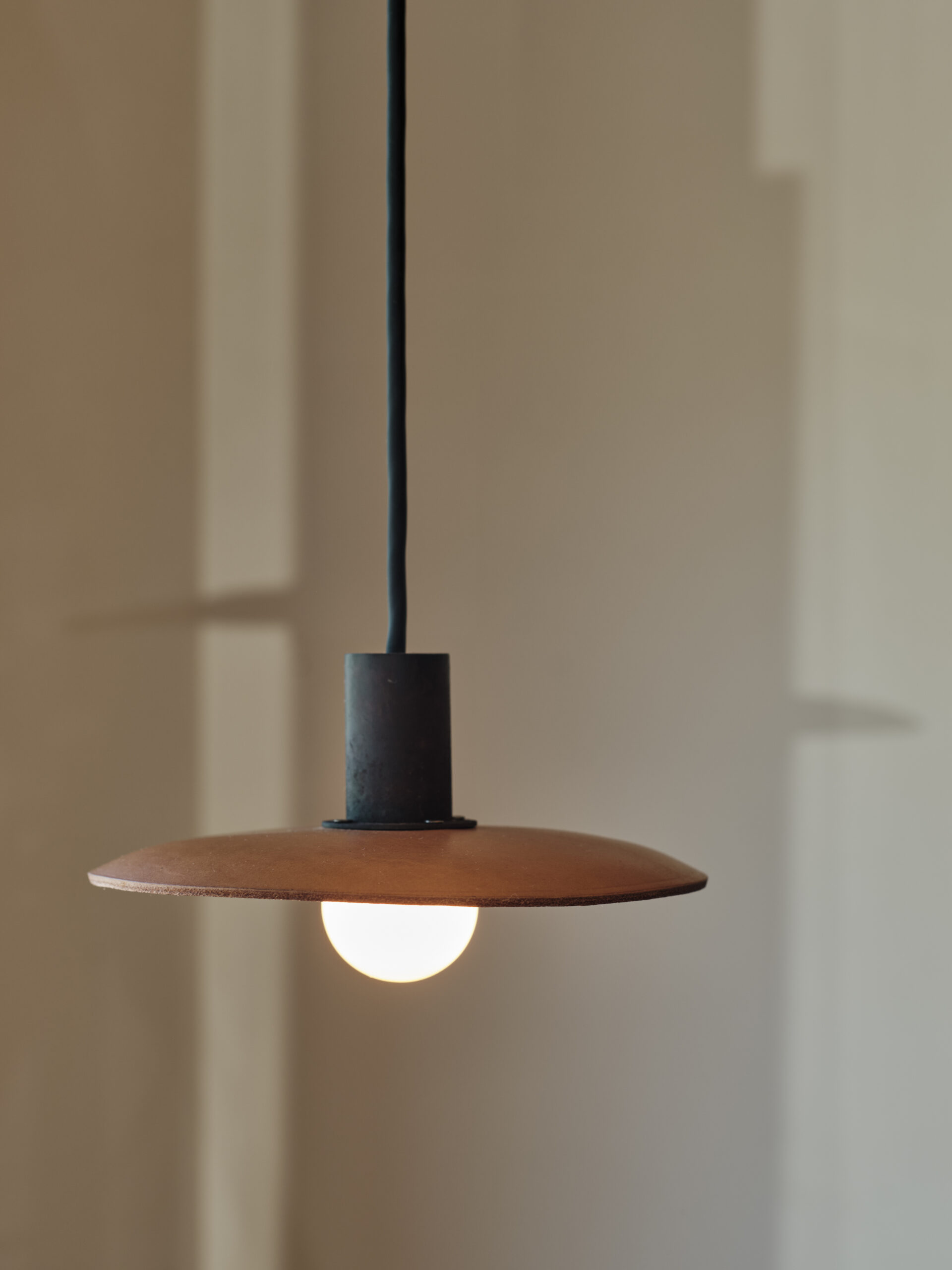
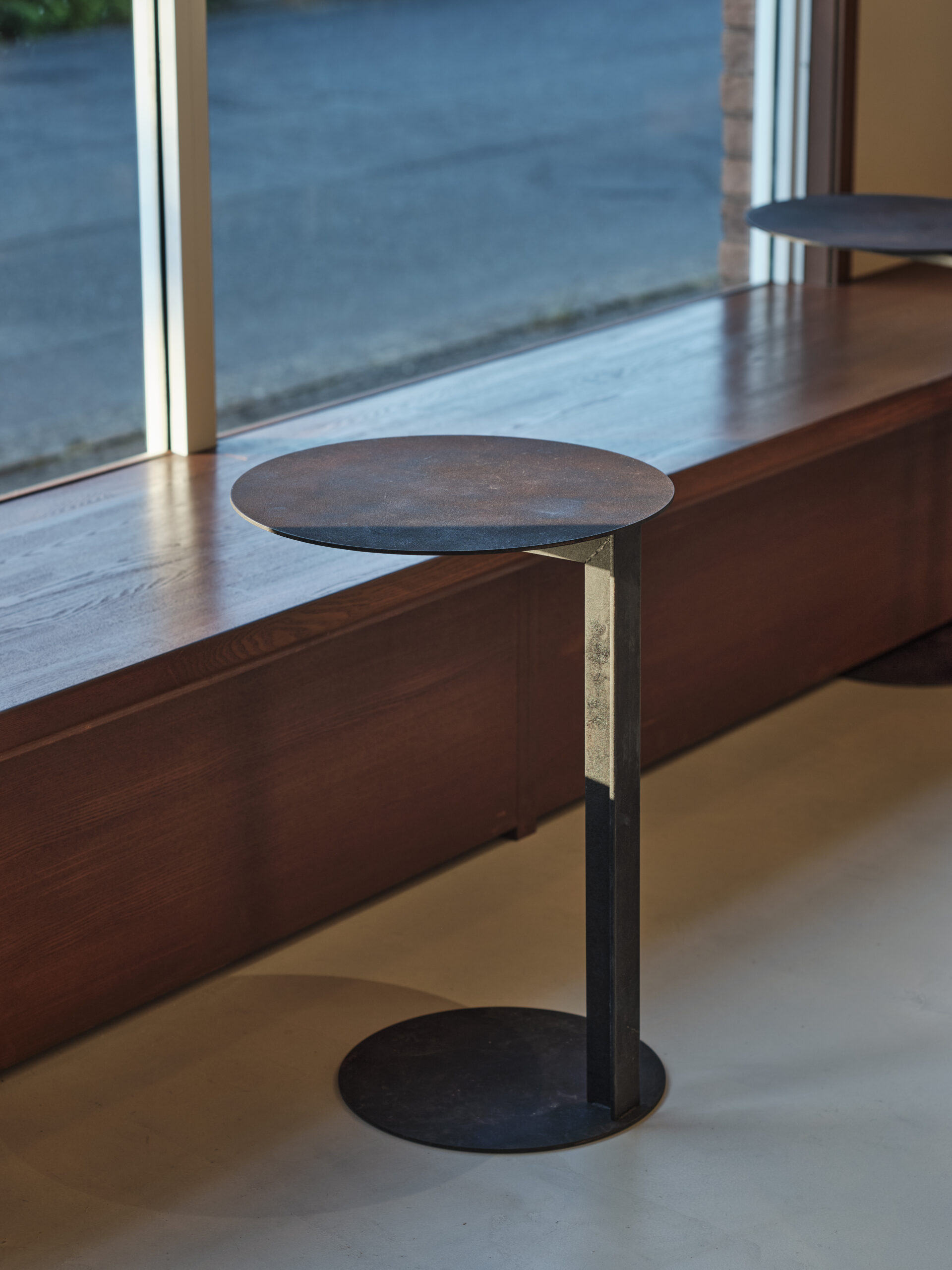
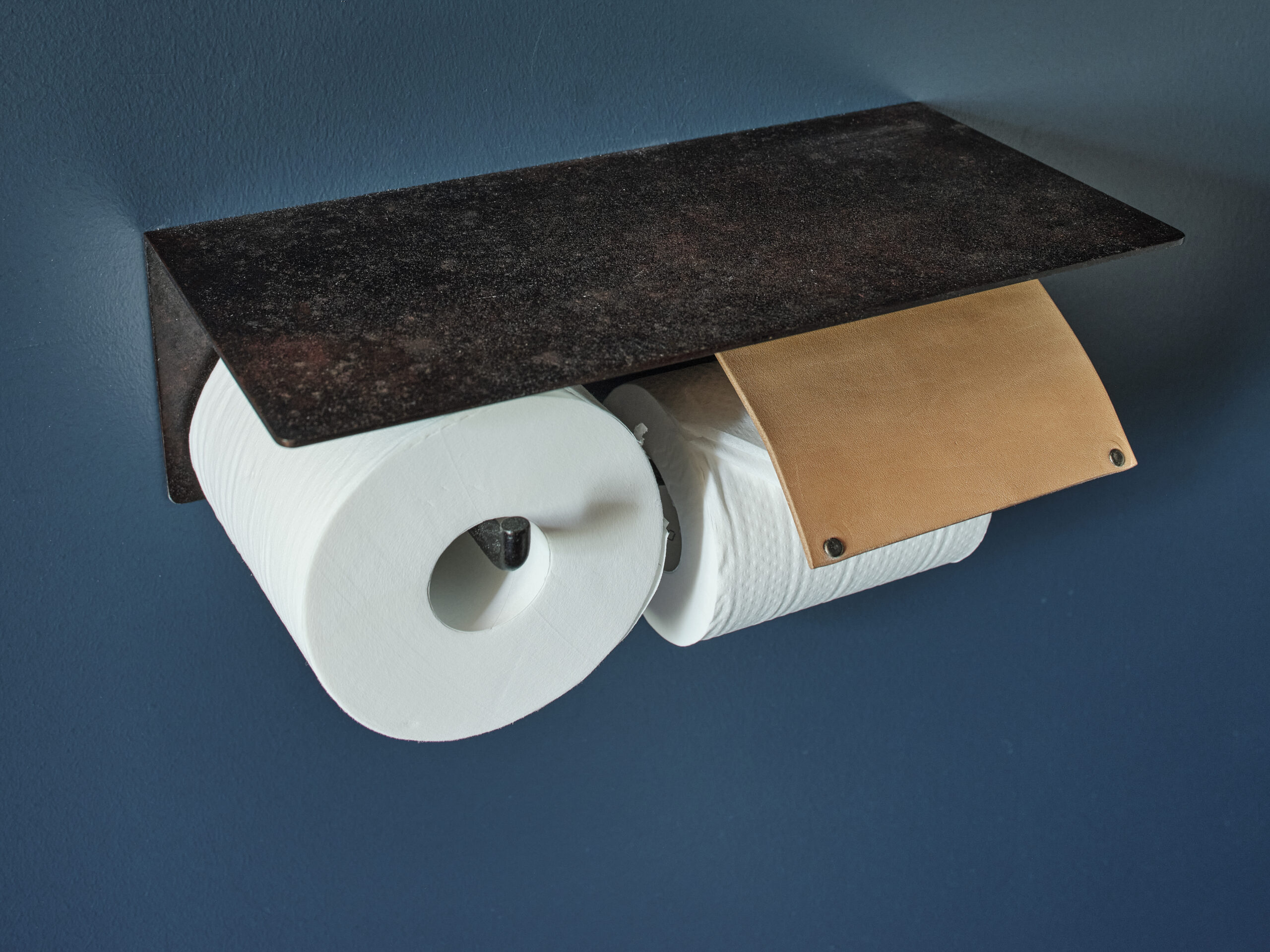
| プロダクト製作 | |十てつ Nishimaski |
| 不動産 | |創造系不動産株式会社 |
| ロゴデザイン | |坪田将知 |
| photo | |中村晃 |
「人々が集い、地域とつながる旅の出発点。」
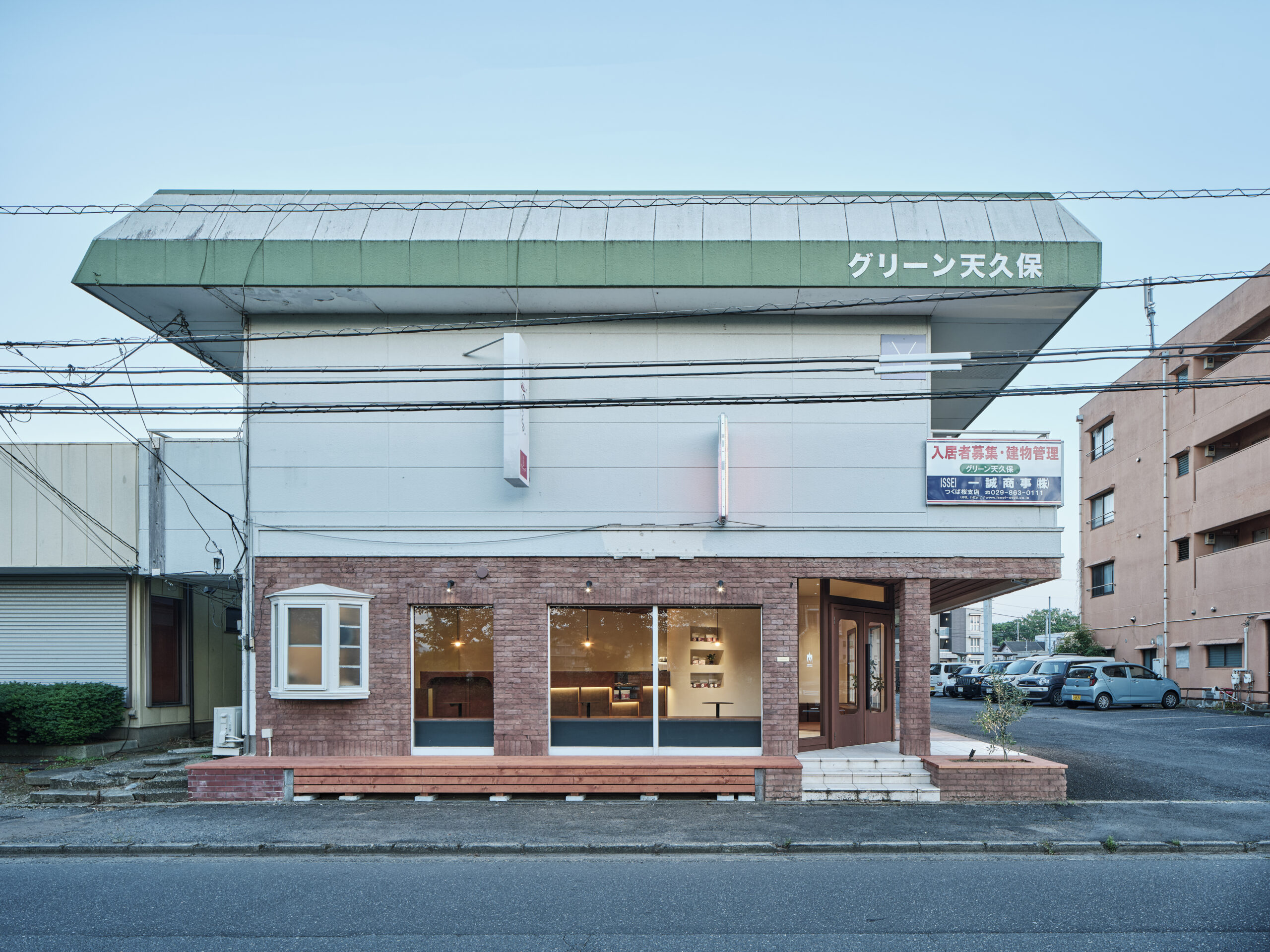
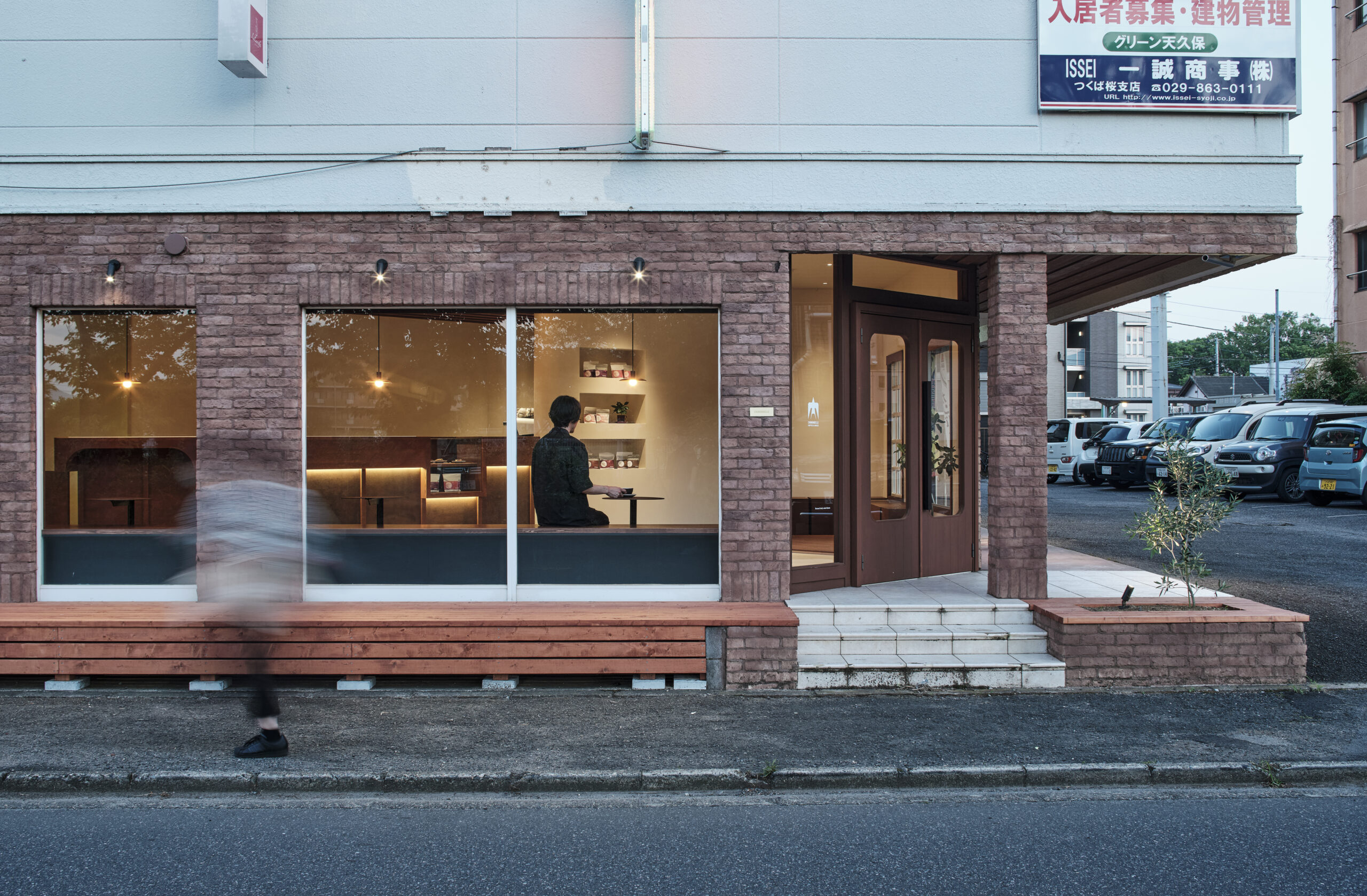
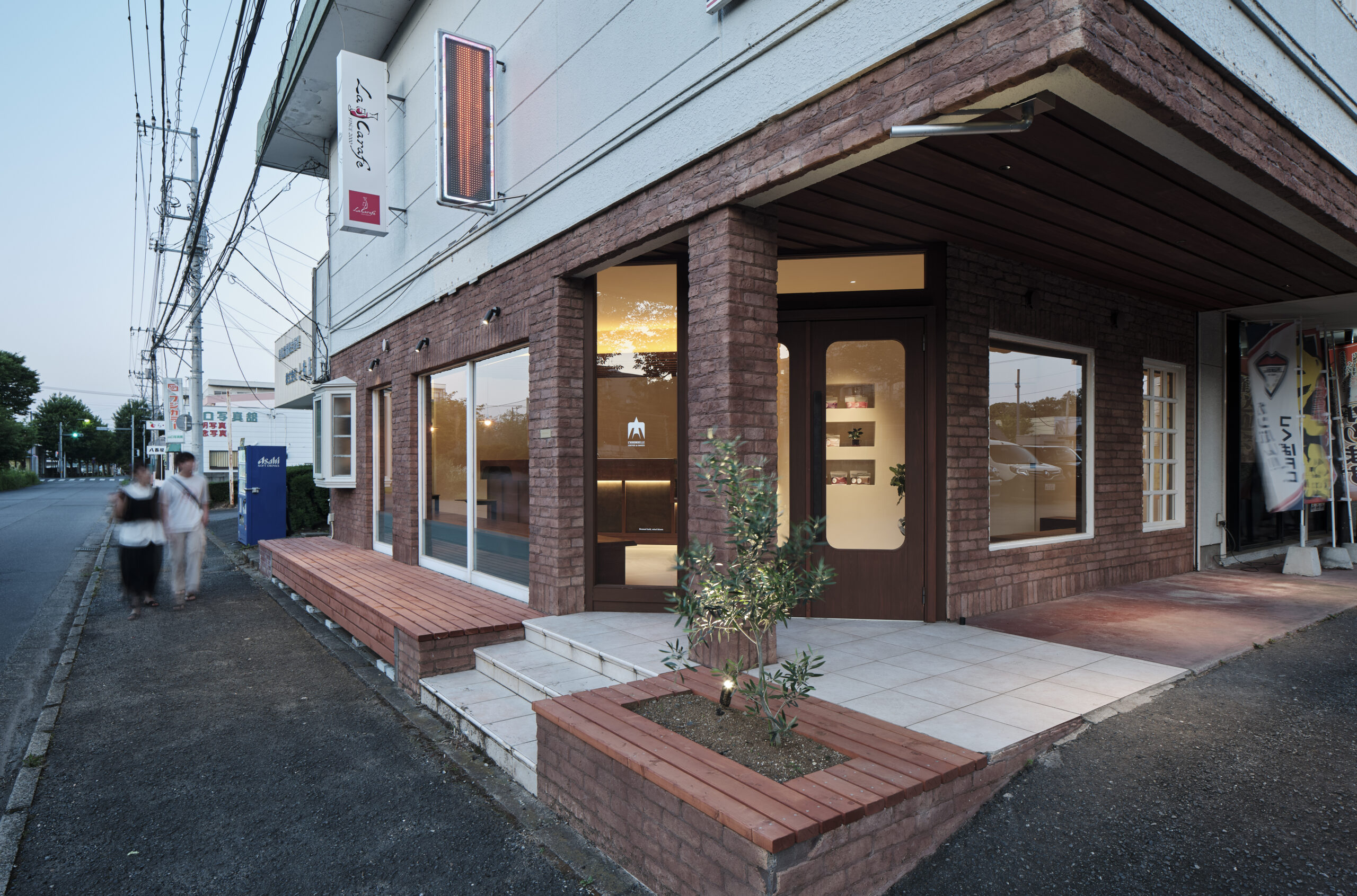
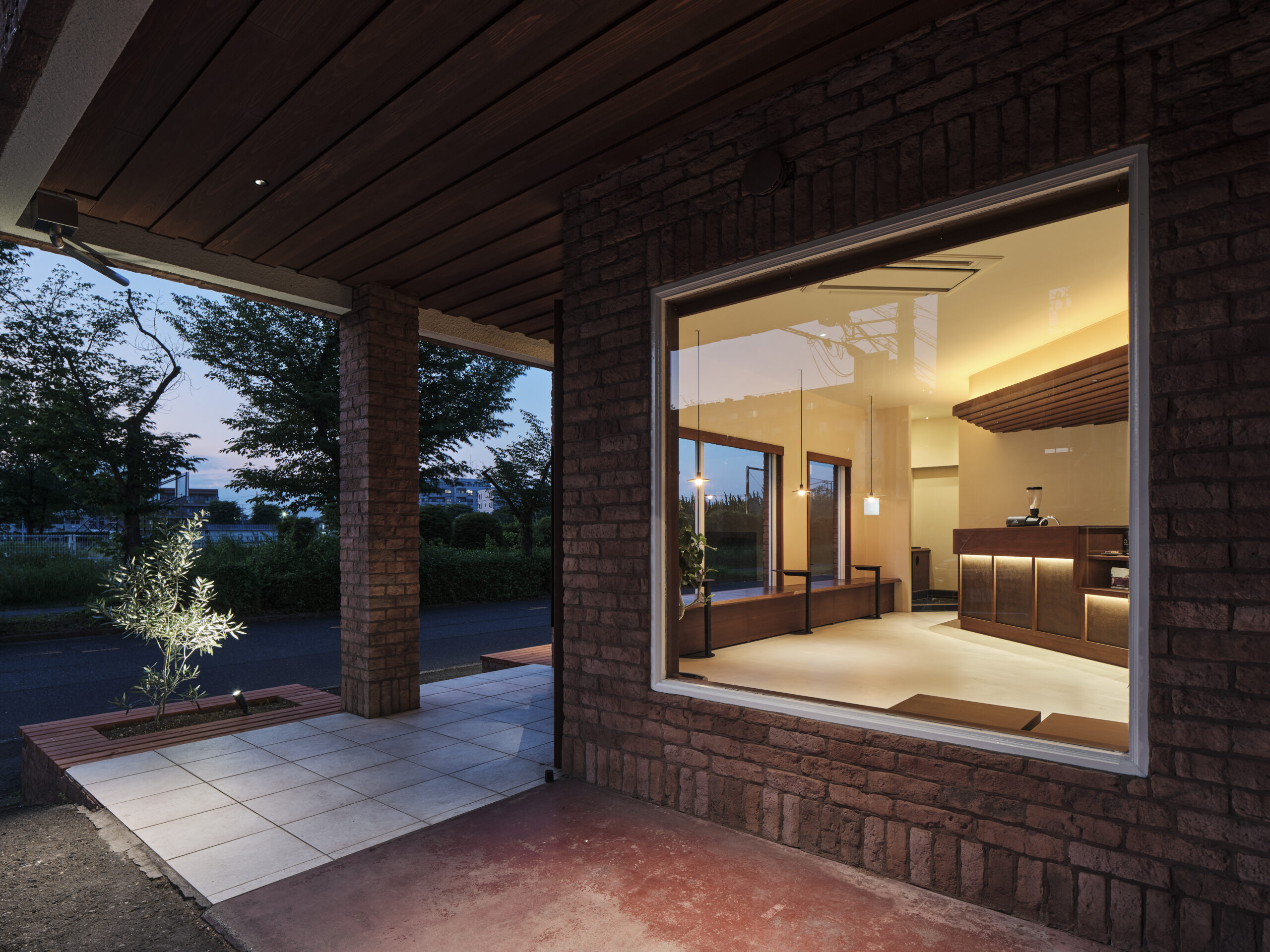
研究機関や大学が集積する国際都市・つくば市の街角に計画された、スペシャルティコーヒーを扱うコーヒーショップのプロジェクトである。
コーヒーを楽しむ場にギャラリー機能を加えることで、地域内外の多様な人々が集い、展示や活動を通じて国境を越えたつながりを育む拠点として機能している。成長と変化を受け入れる余白を空間に取り込み、コモニングの場としての可能性を追求した。
つくば市は国際色豊かな研究都市である一方で、「気軽に集まり、つながる場所」がまだ十分に存在していない地域である。
1987年の合併により誕生したつくば市は、筑波研究学園都市の形成を軸に急速な発展を遂げ、2005年には東京都つくば市を繋ぐつくばエクスプレス開業を契機に、さらに多様な人々が流入する都市へと成長した。
急速につくられた街であるため、駅前は整備が行き届いているものの、都心からの移住者が多く、成熟したコミュニティはまだ少ない。
また、研究都市として海外からの研究者や学生が多く暮らす一方、少し中心部を離れると田園風景が広がり、古くから住み続ける住民が多い地域でもある。
このように、多様なバックグラウンドをもつ人々が混在しながらも、互いに交流する場が不足しているという地域の特性があった。
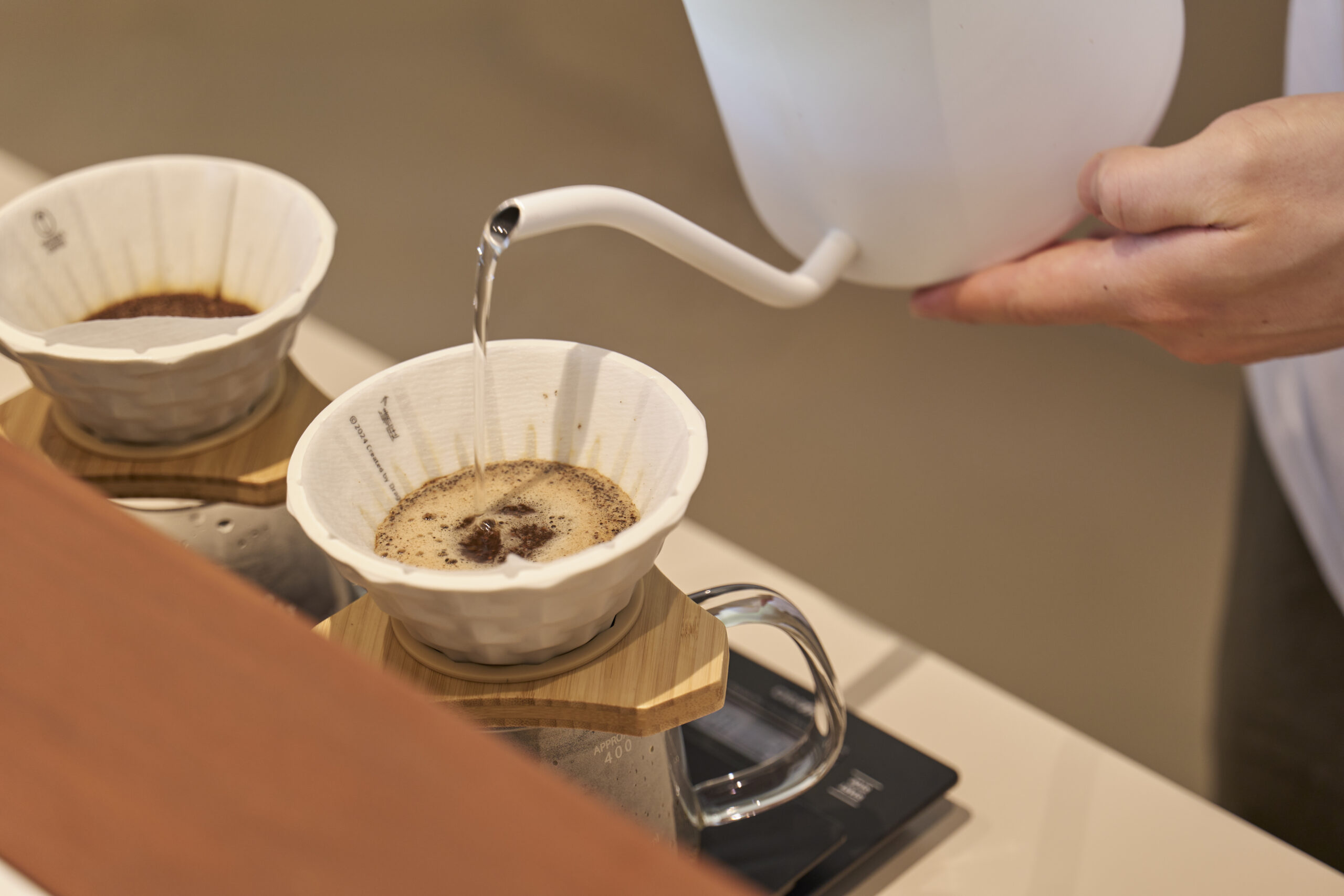
そこで、コーヒーを媒介に、多様な人々が自然に交わり、新たな出会いやアイデアが生まれる場をつくることを目指した。
「コーヒーには国境を越えて人をつなぐ力がある」という信念が、このプロジェクトの根底にある。
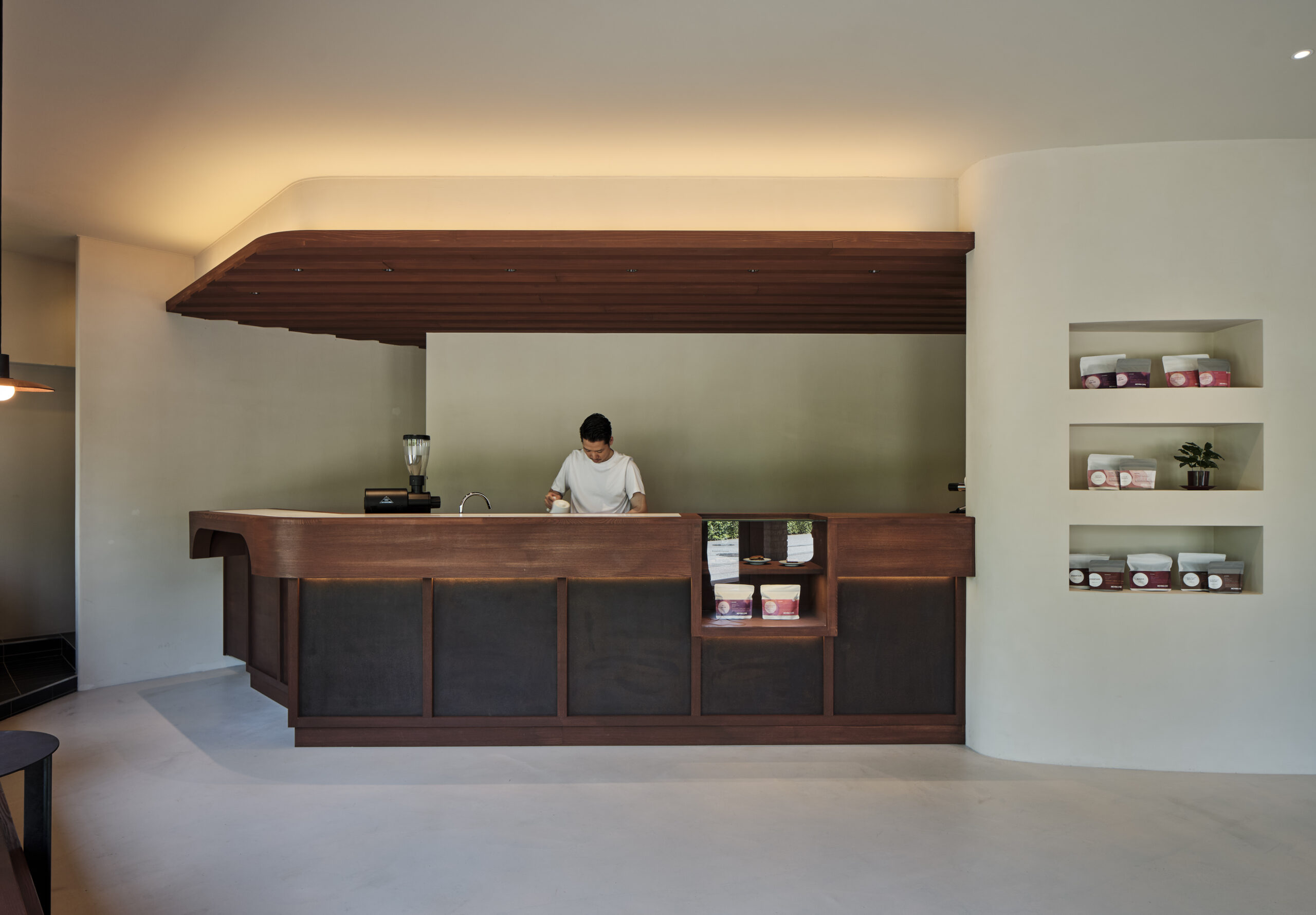
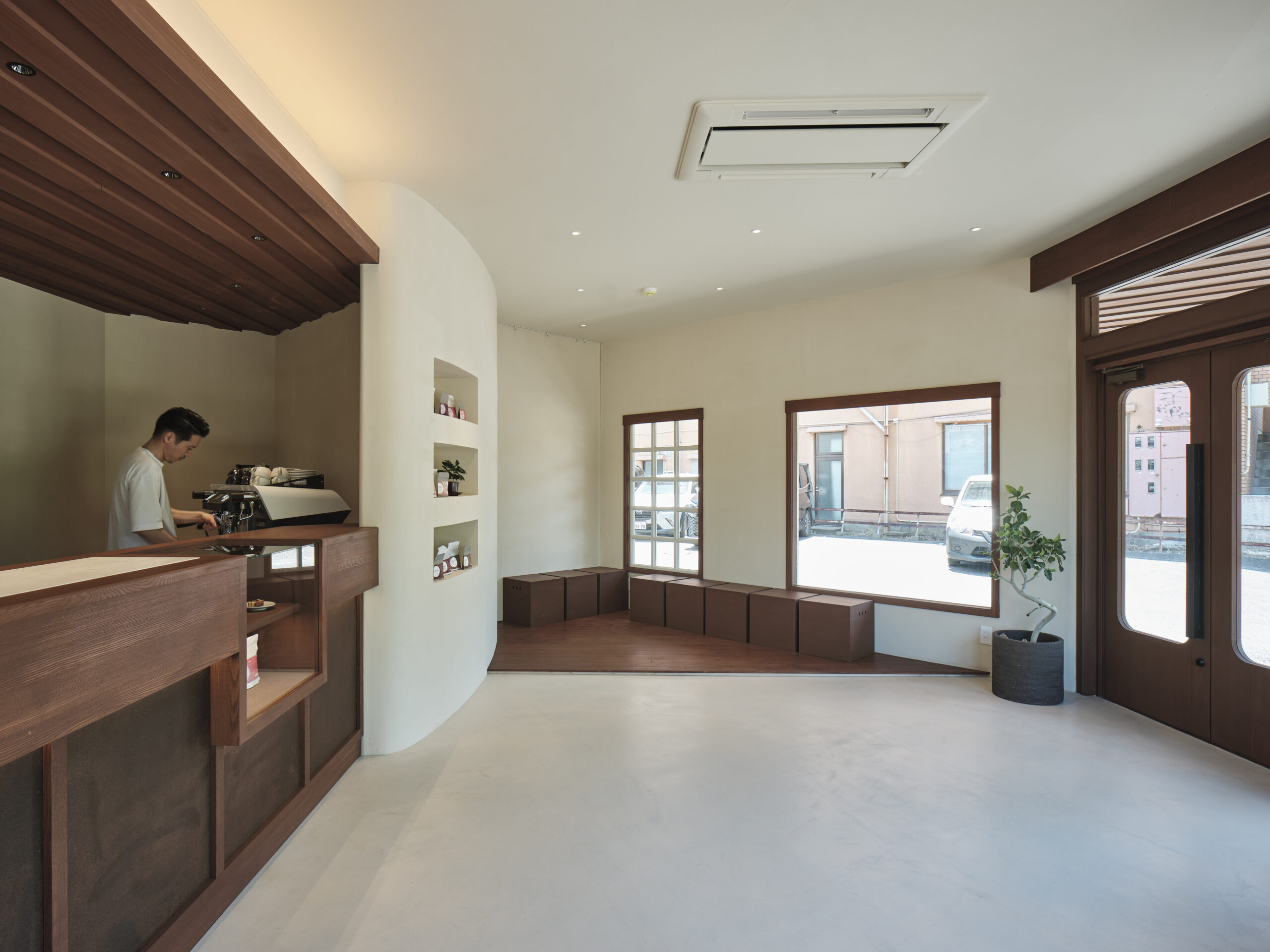
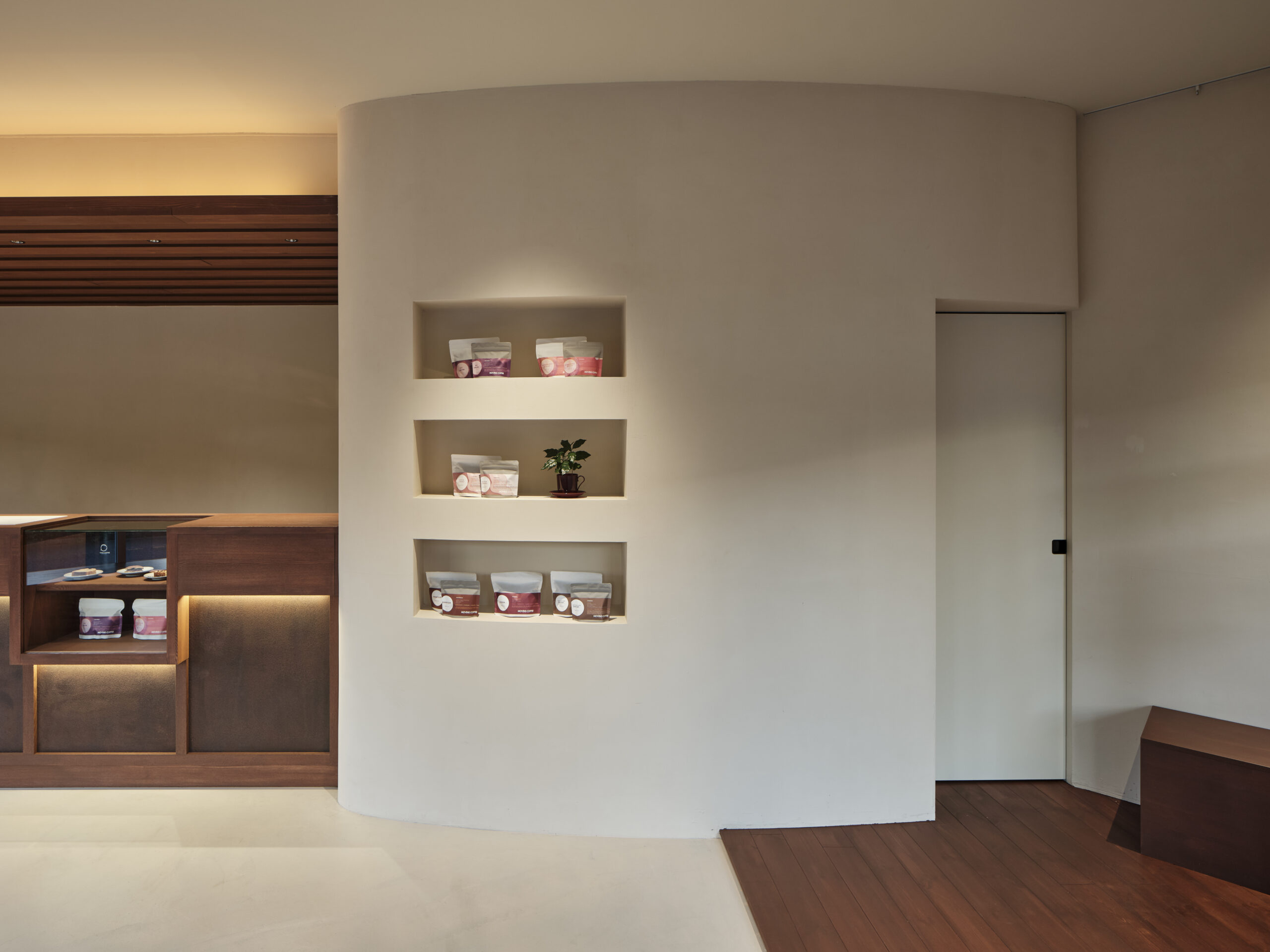
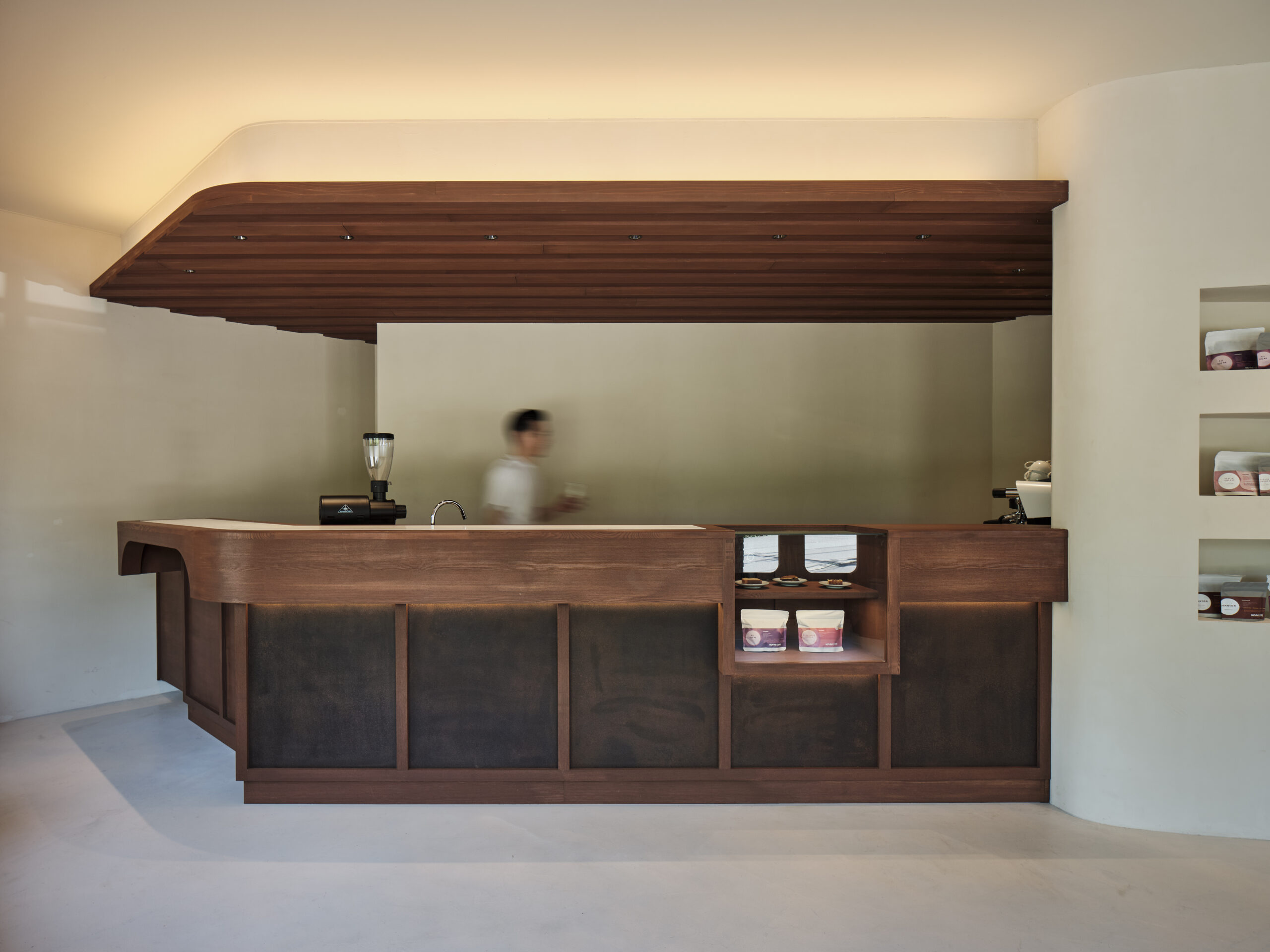
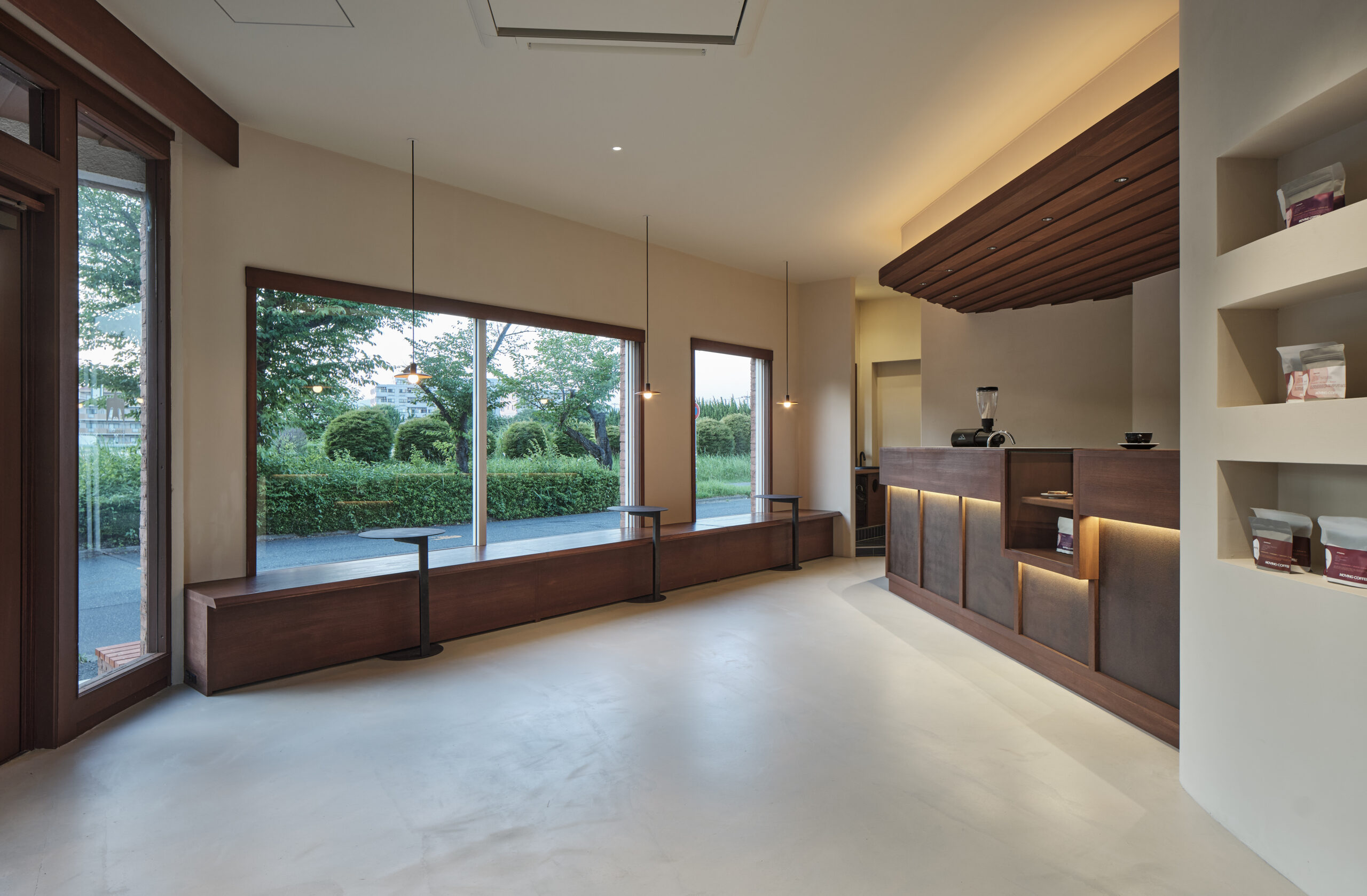
入口正面には円弧状の壁に彫り込んだ商品棚を設け、漆喰に映る柔らかな自然光が一つのアートピースのように立ち上がる。
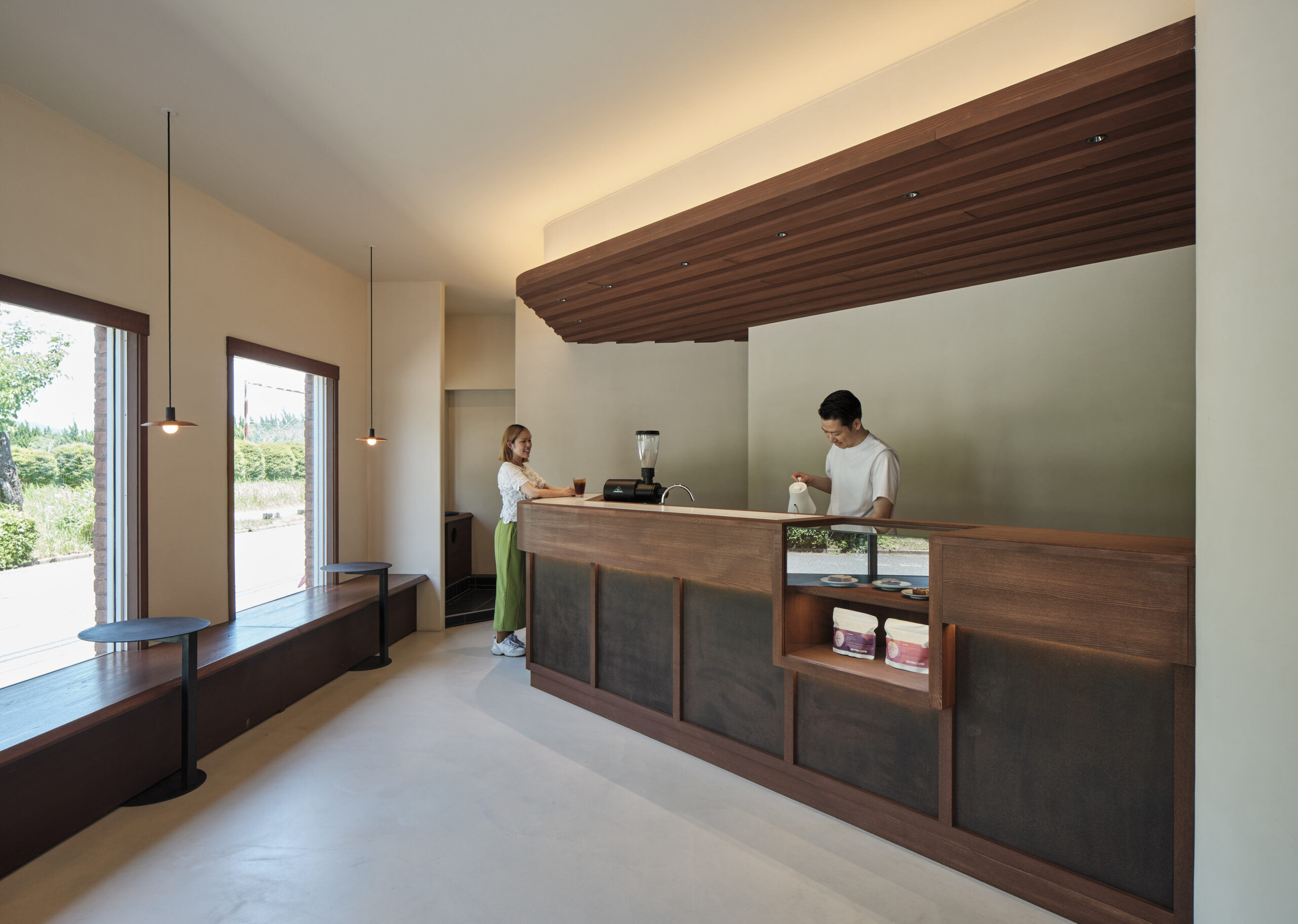
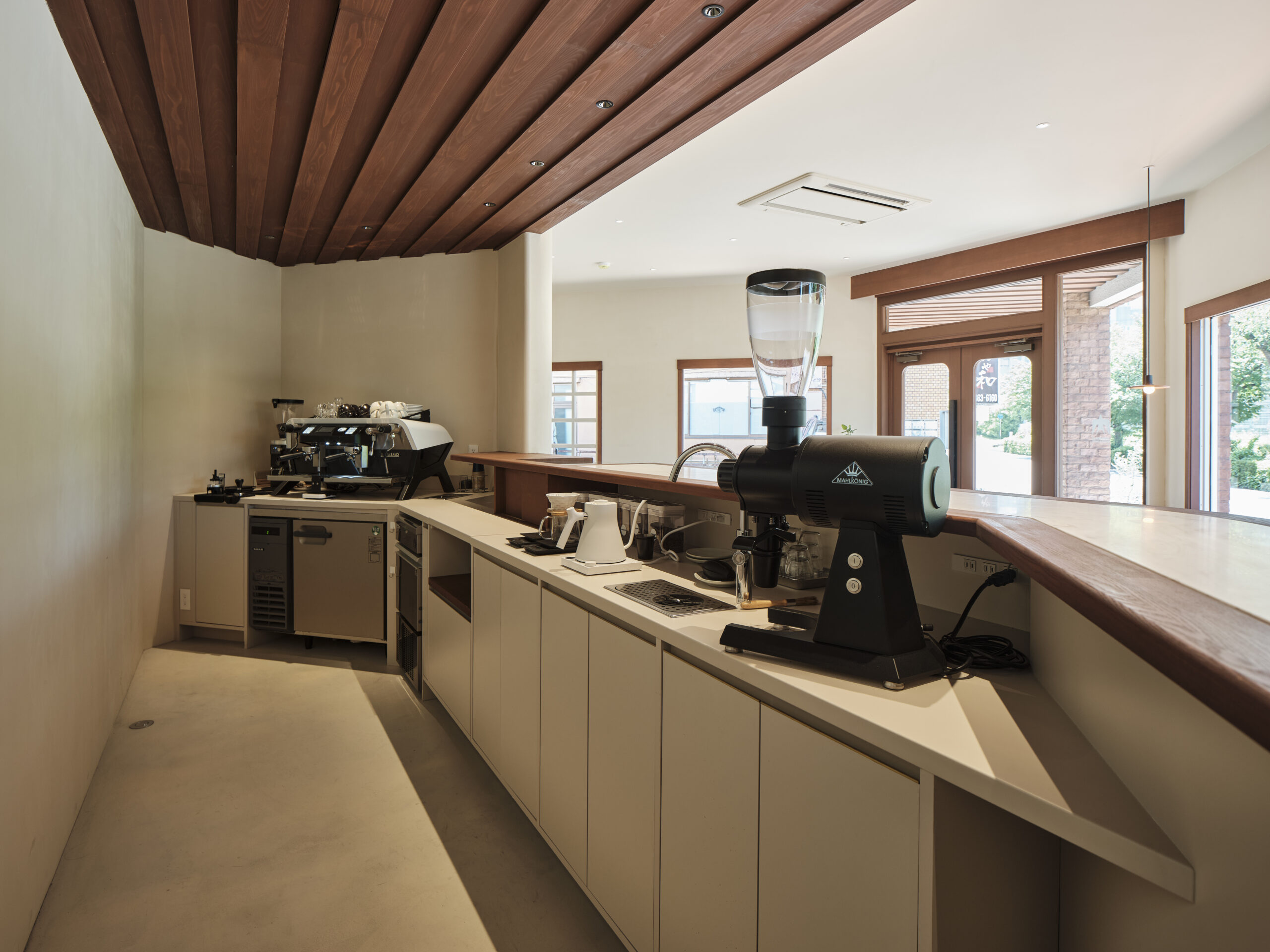
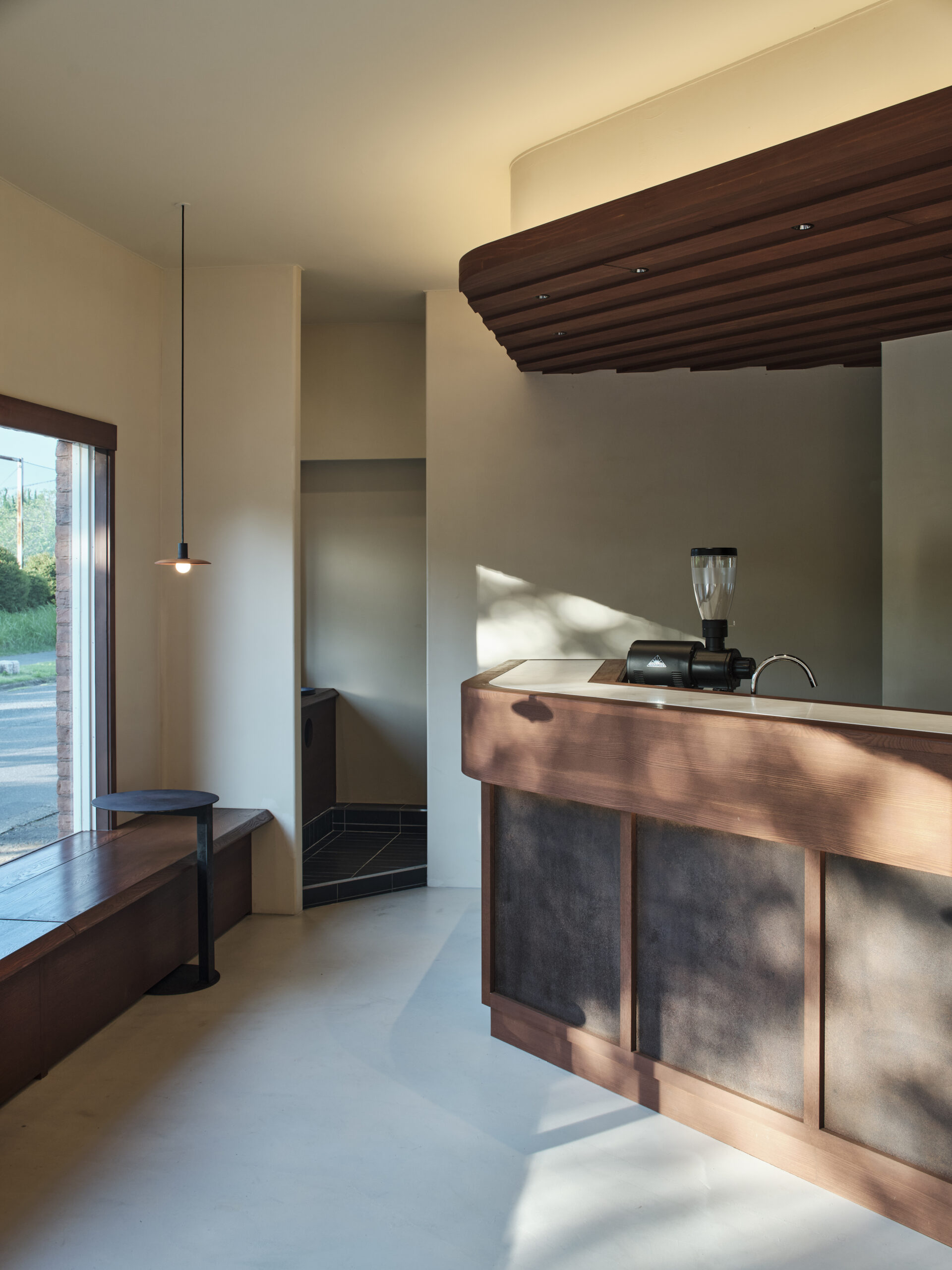
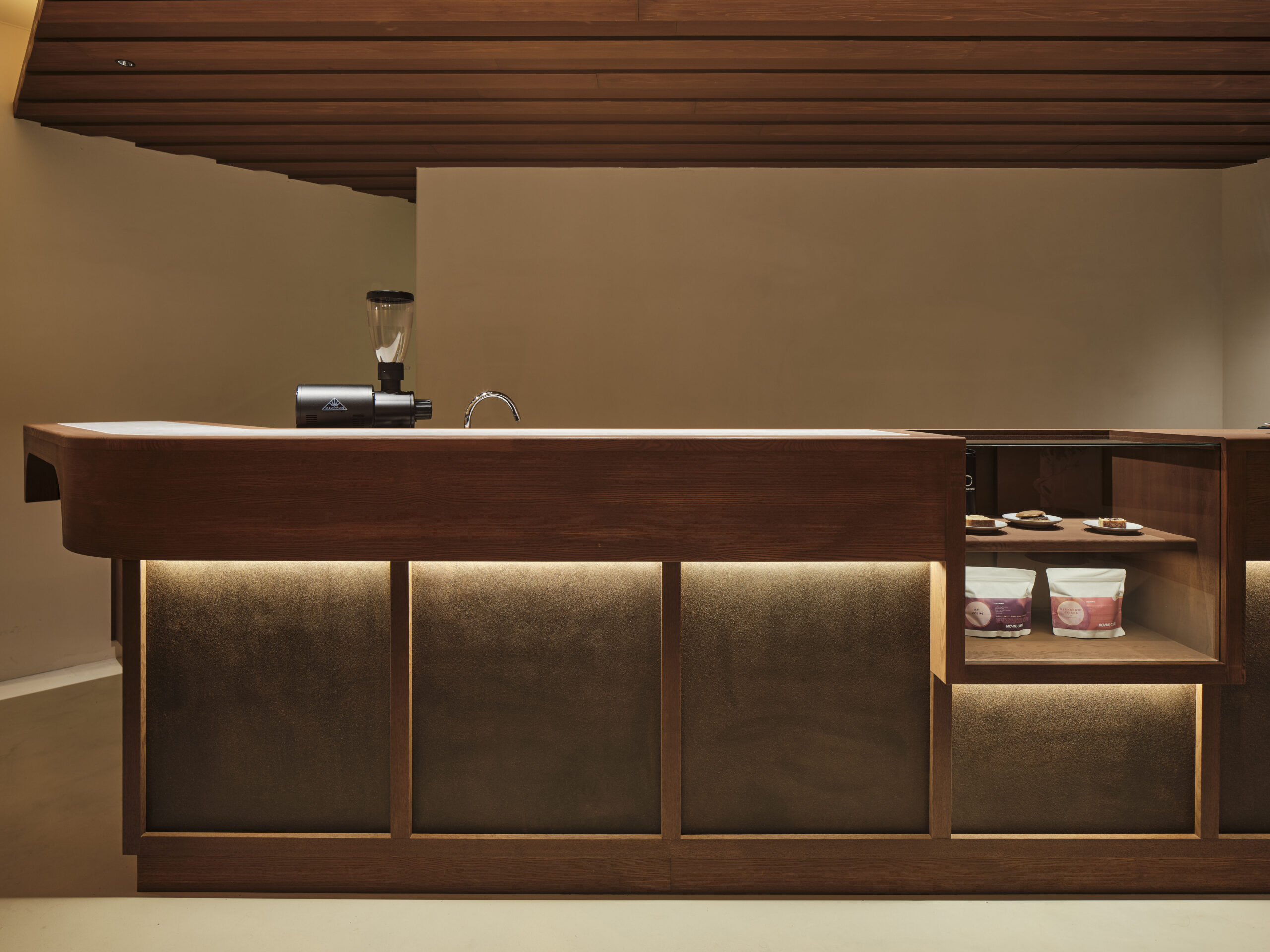
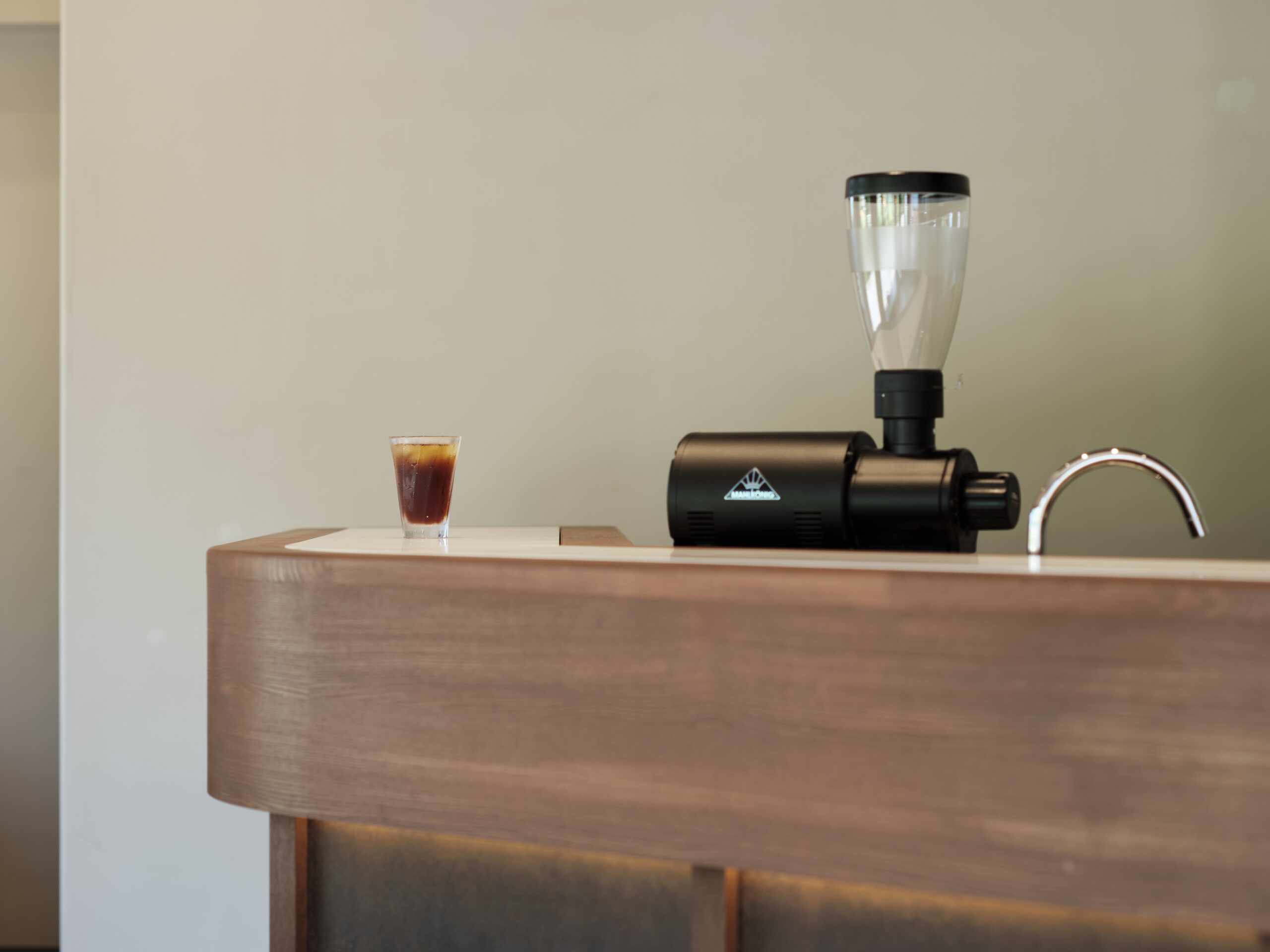
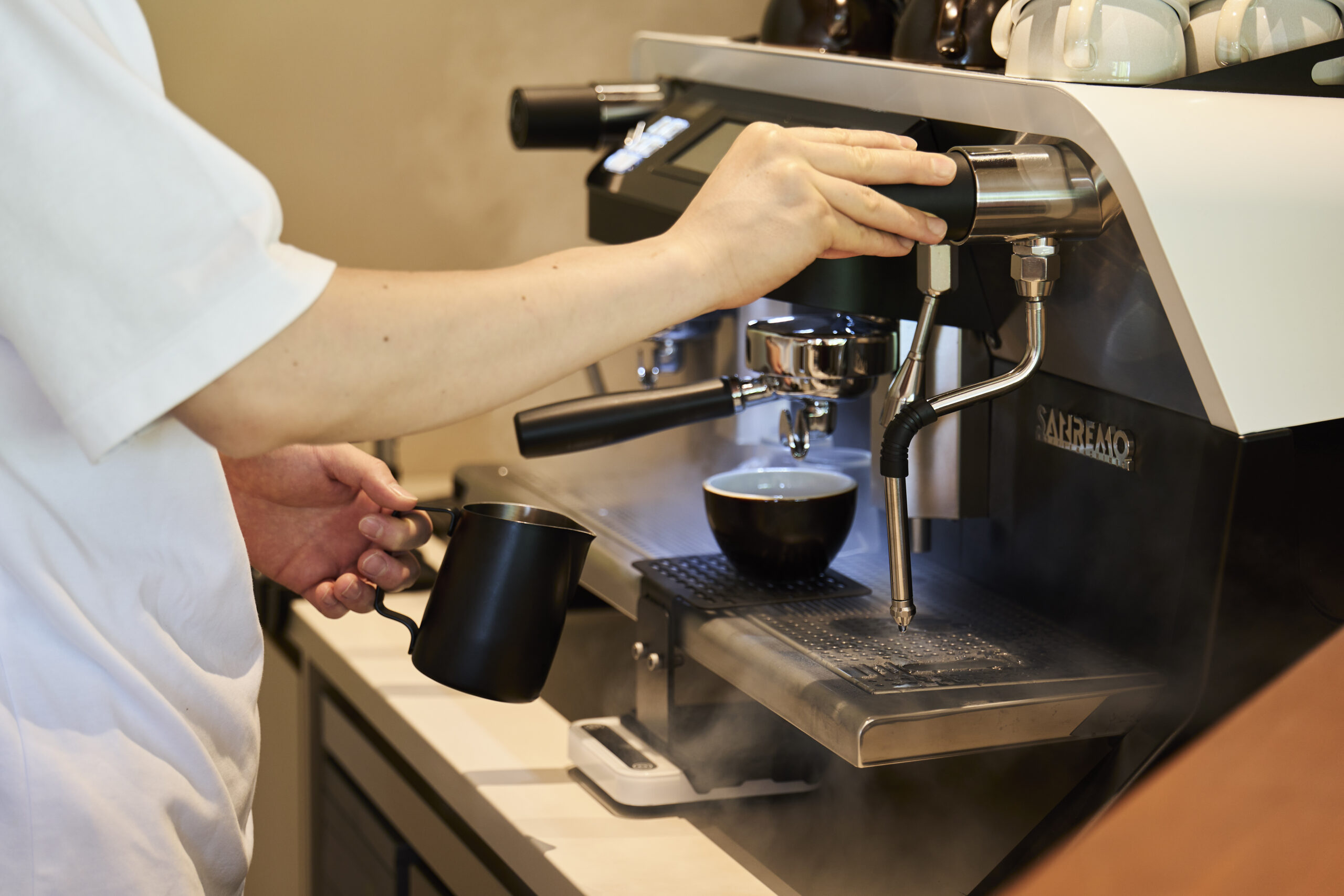
隣接するコの字型カウンターは、客とスタッフの対話を自然に誘発し、空間の中心性を形づくる要素となっている。
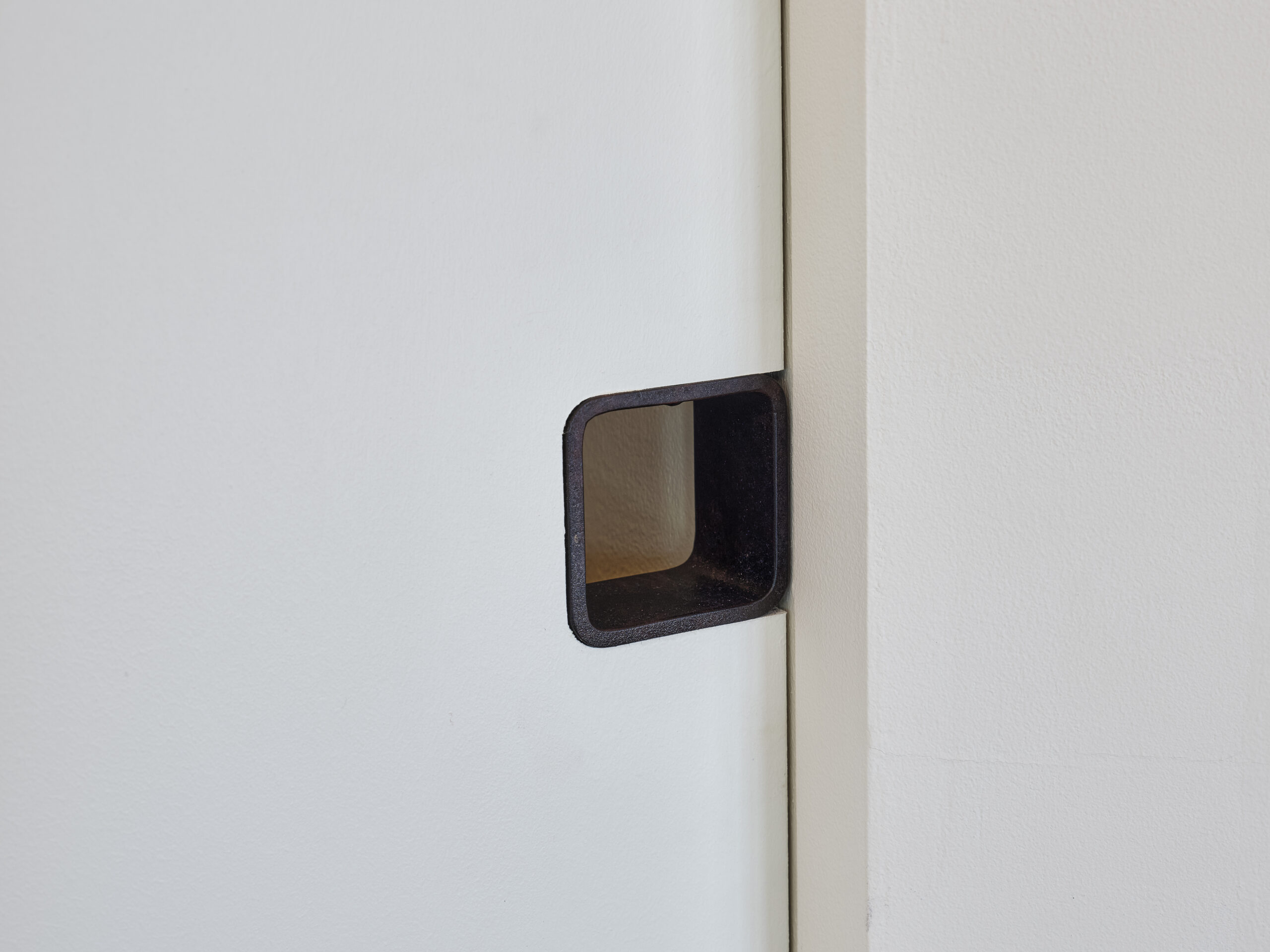
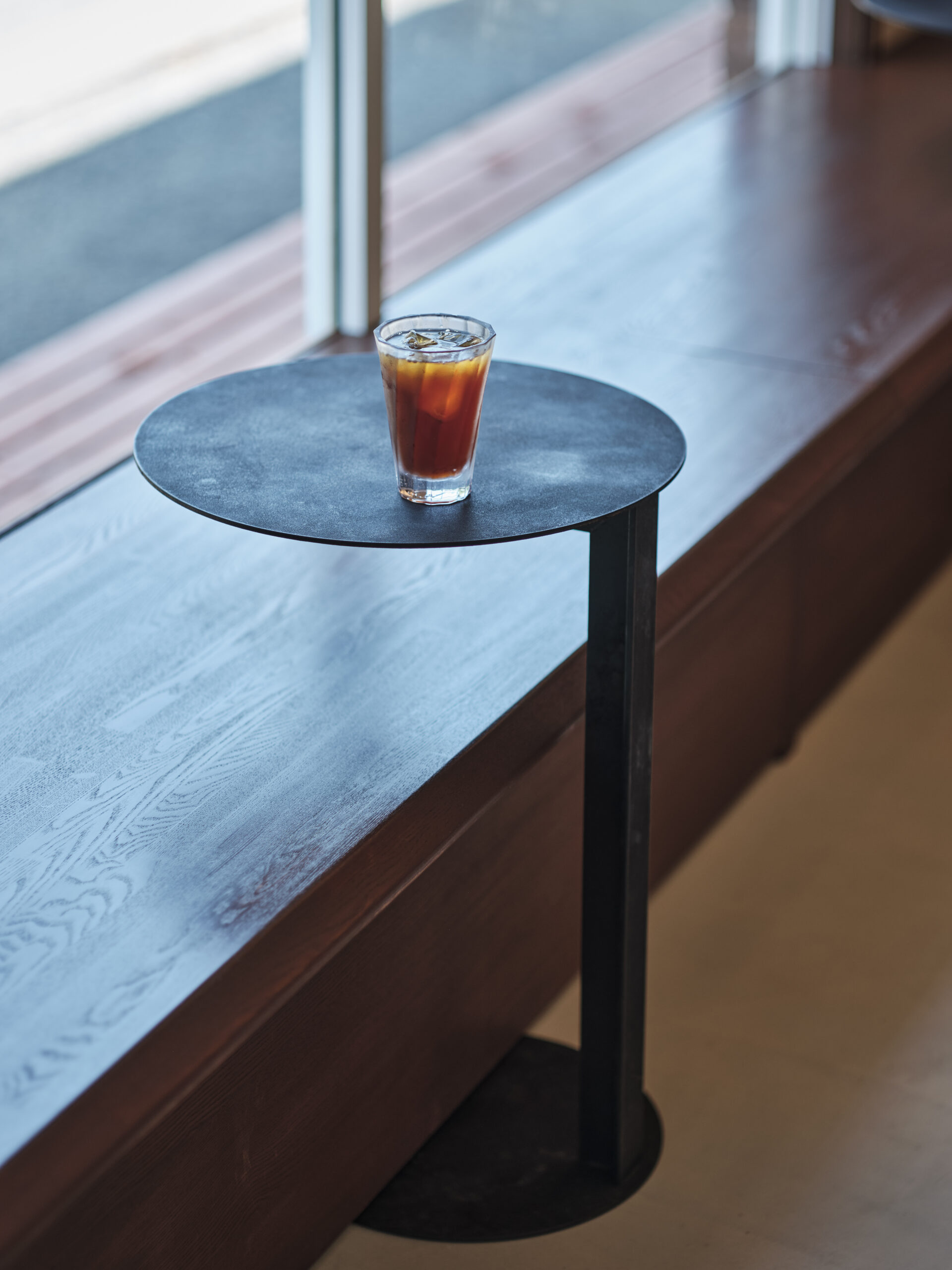
腰壁には錆びた鉄板を採用し、素材の質感と経年変化を空間の表情として取り込みつつ、機器類の露出を抑えて視覚的ノイズを最小限にすることで、一杯のコーヒーの体験がより際立つ構成とした。
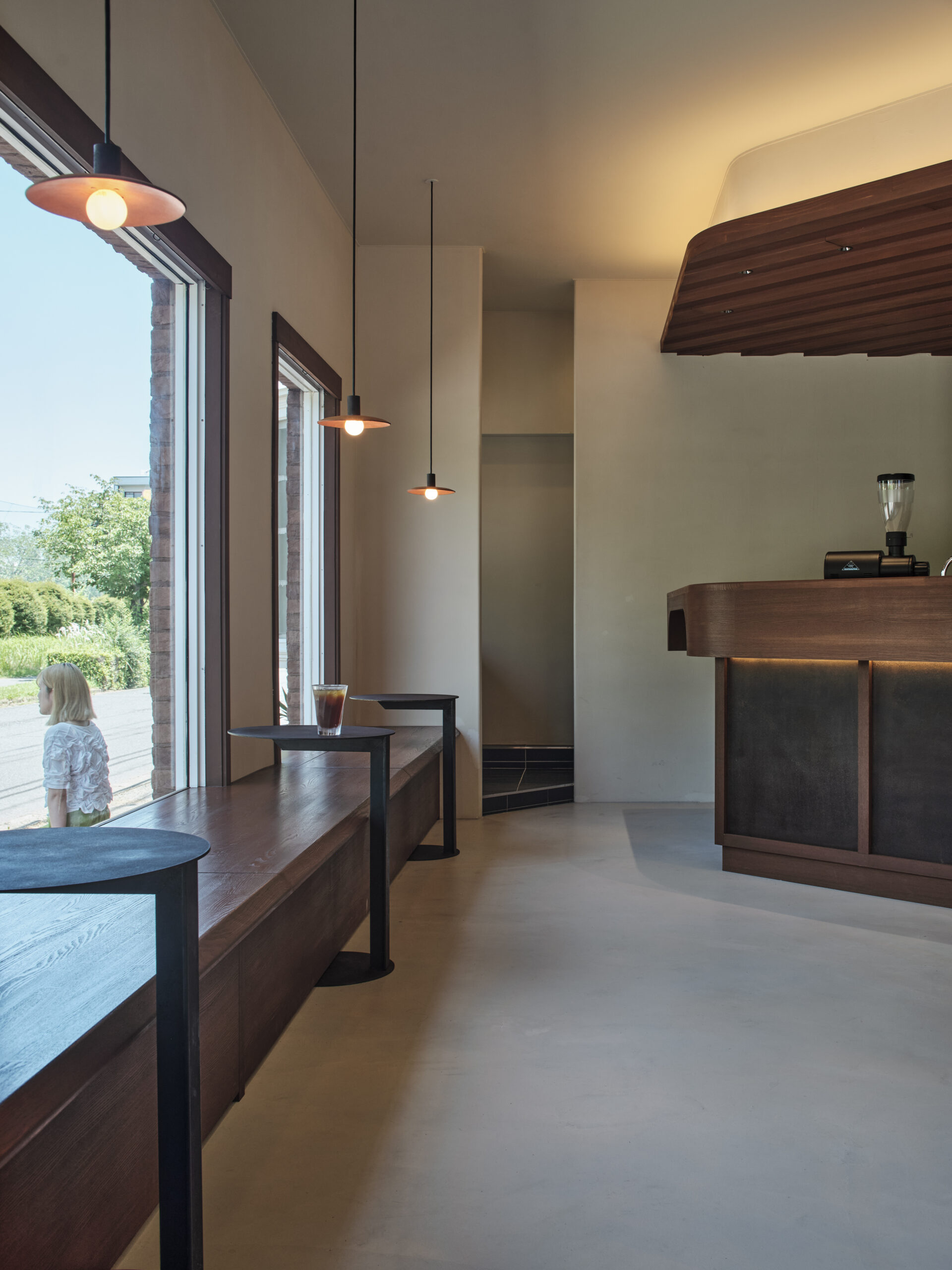
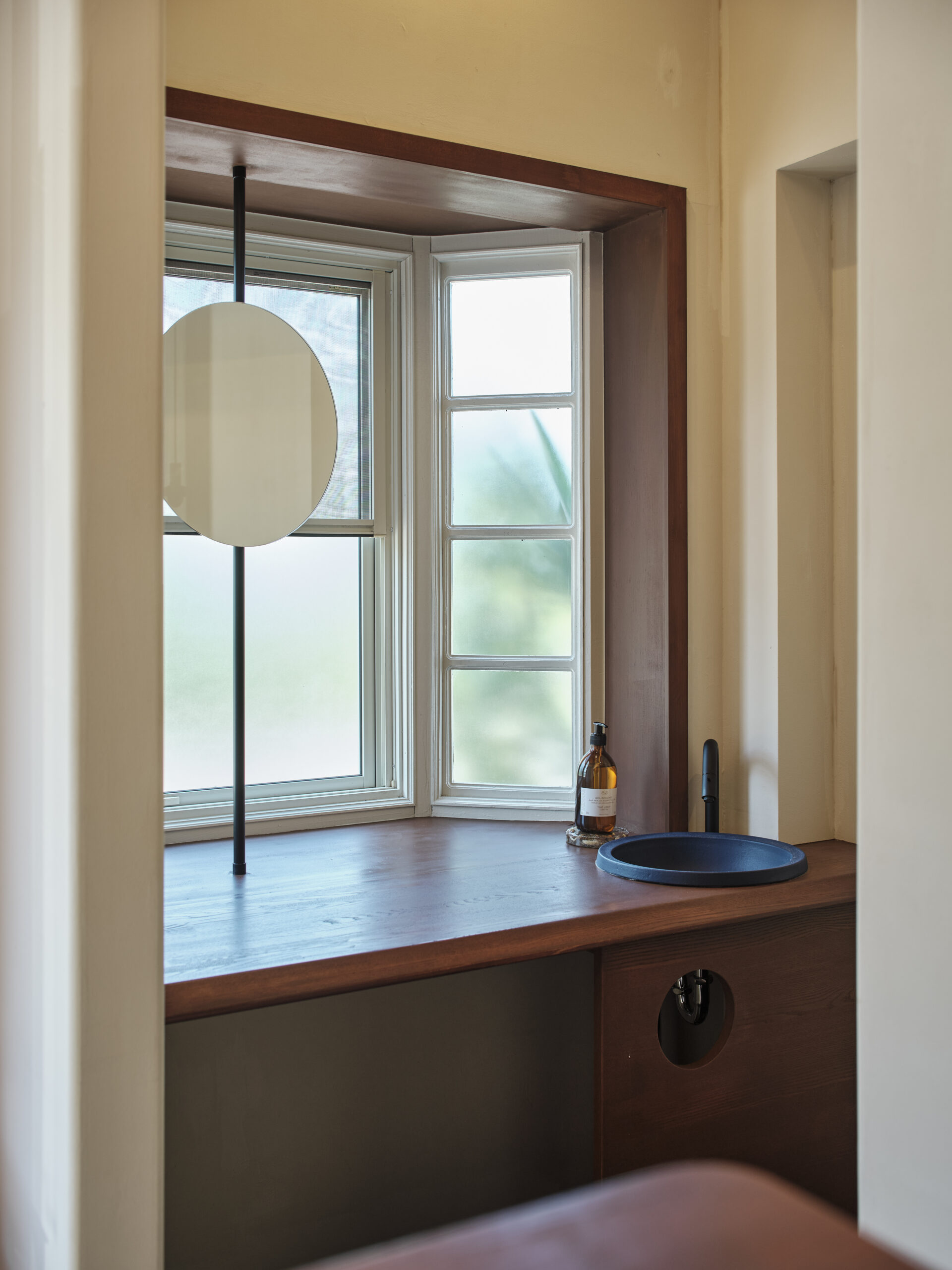
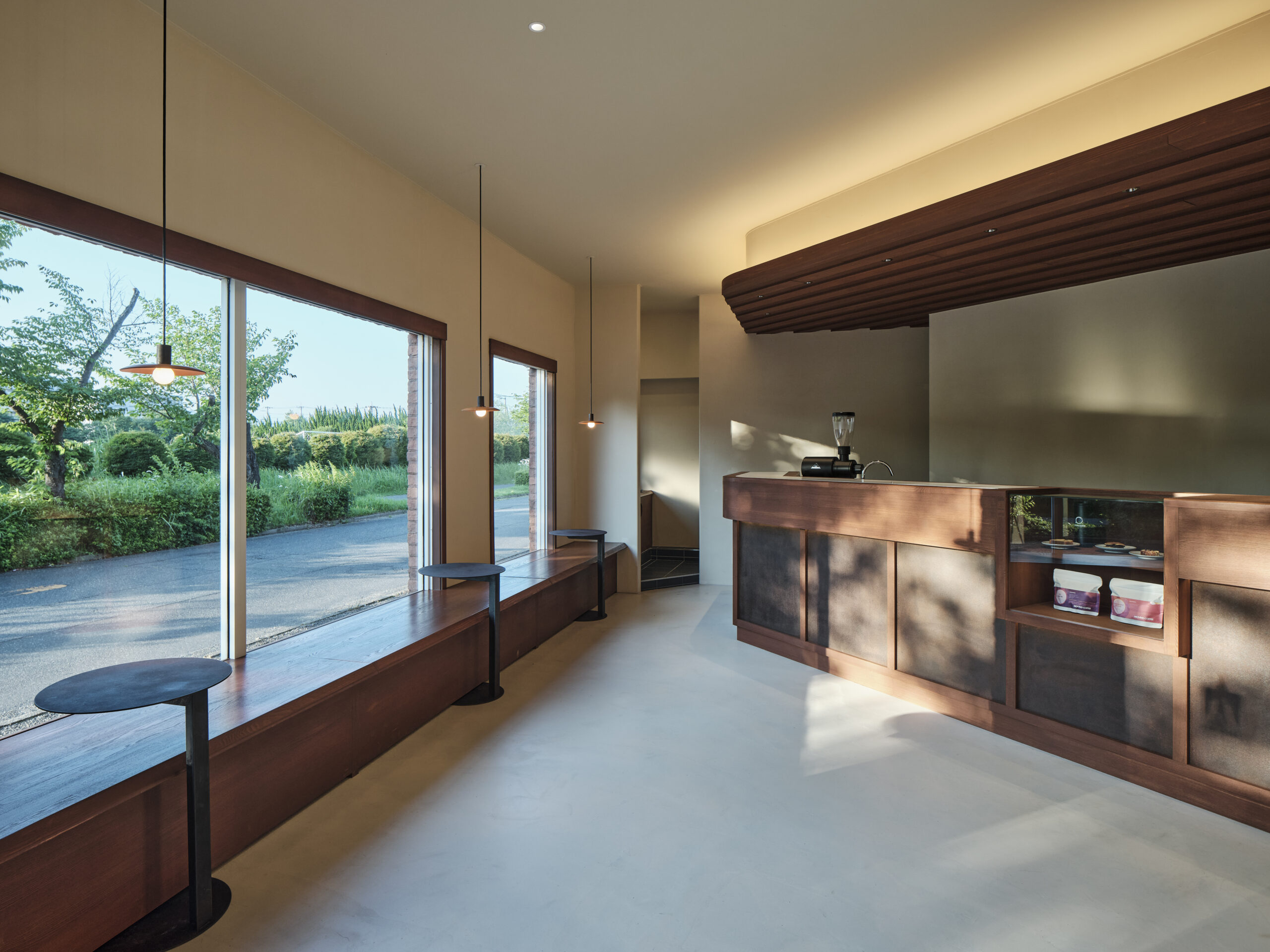
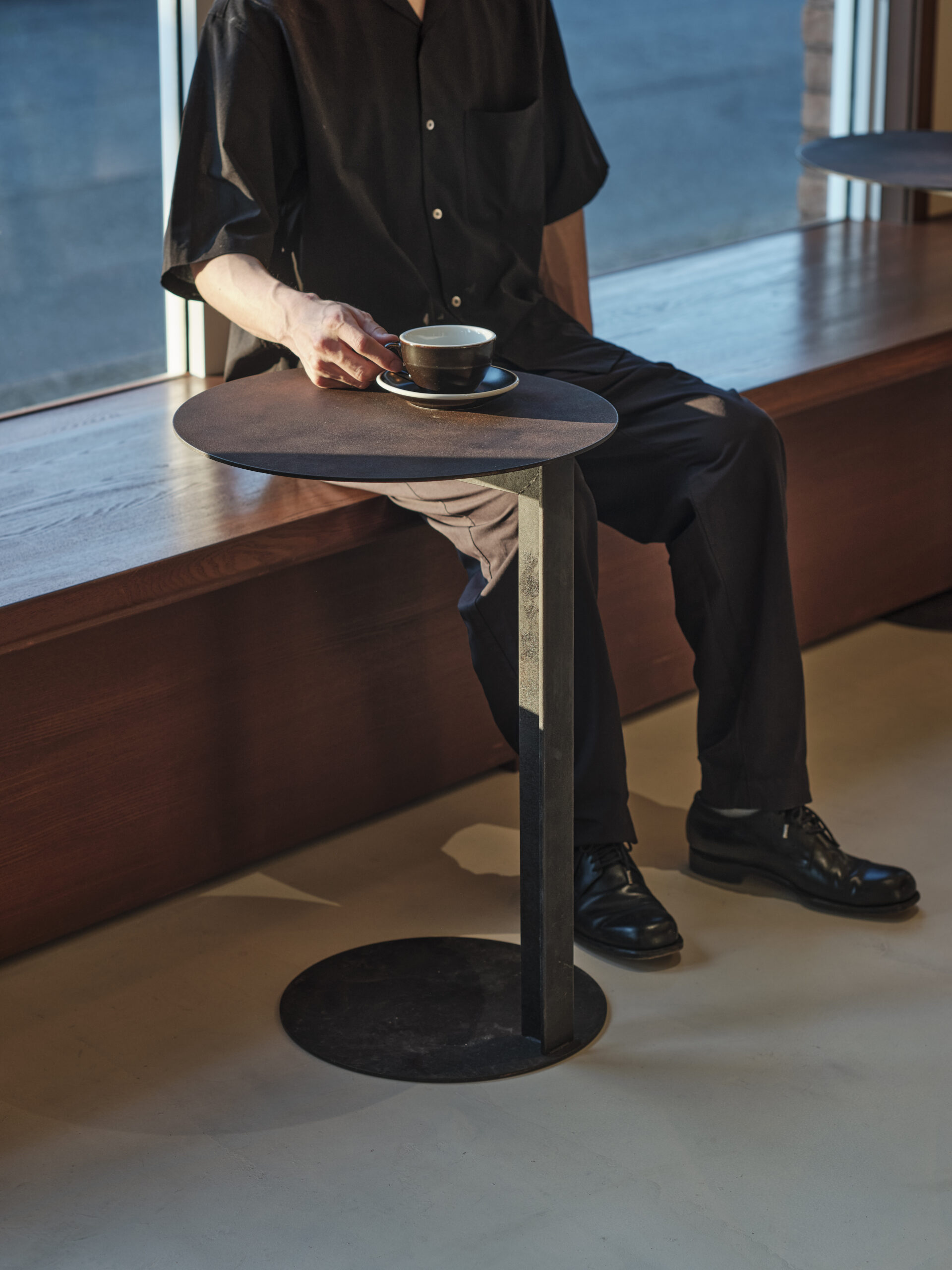
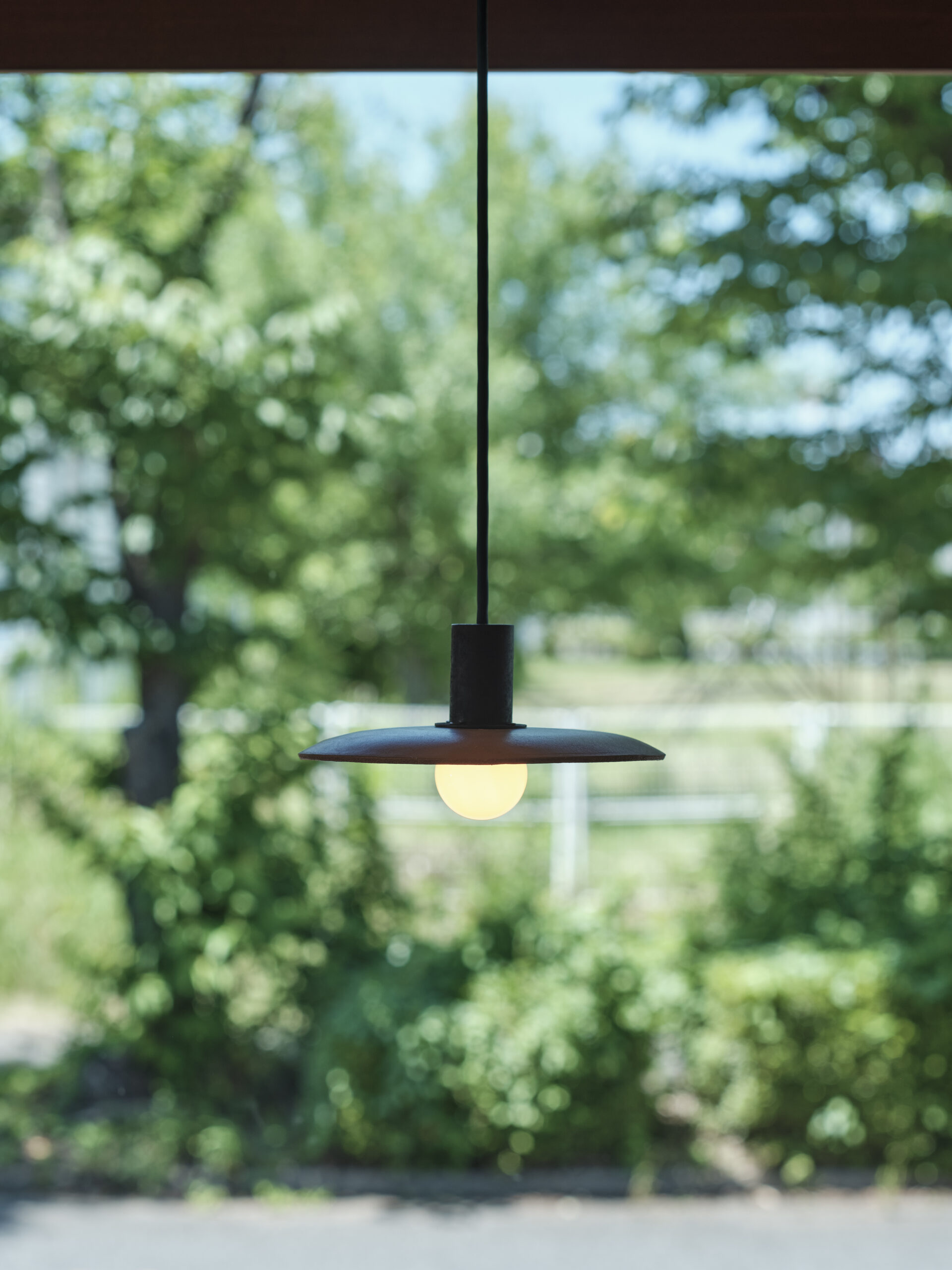
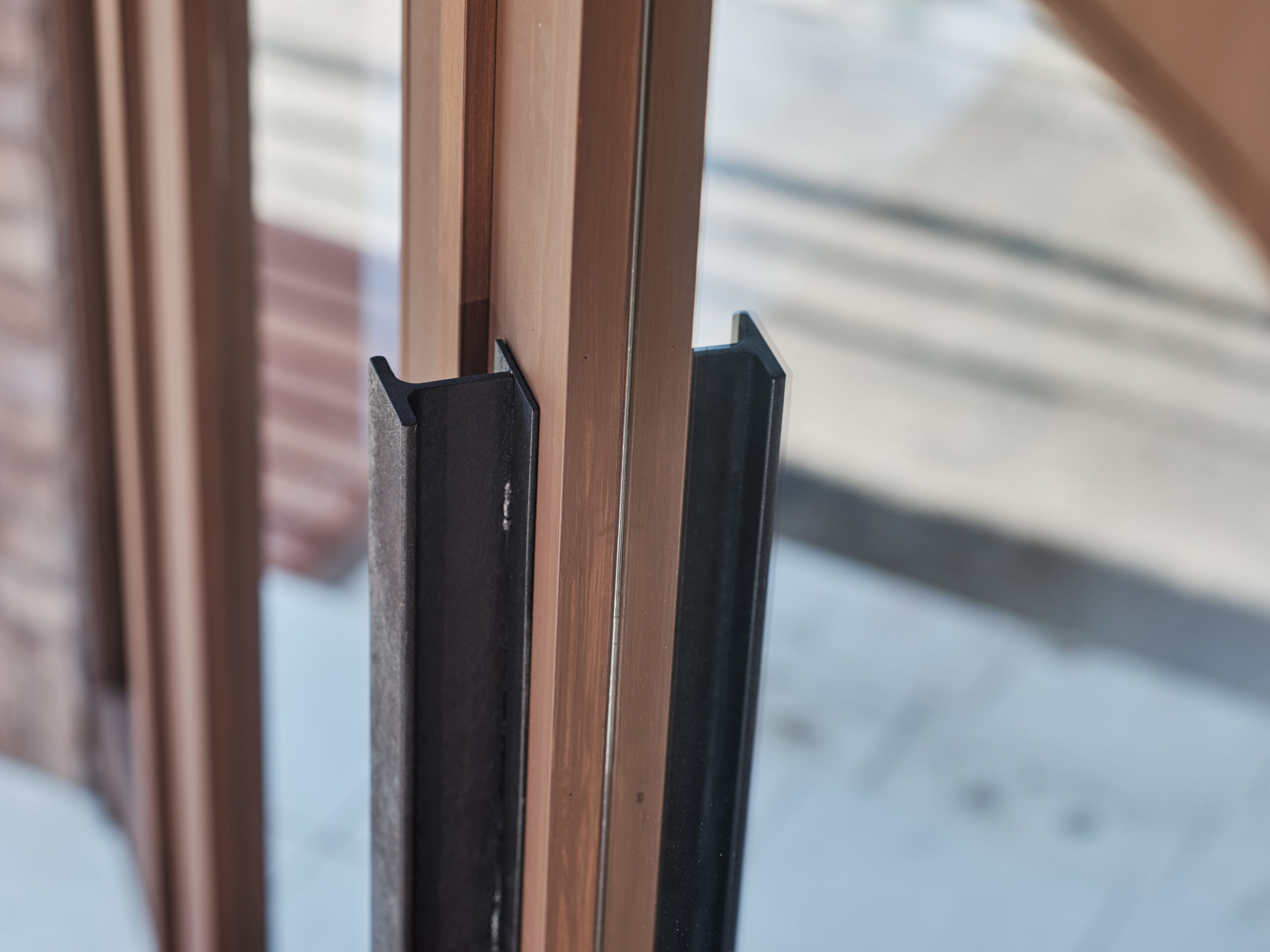
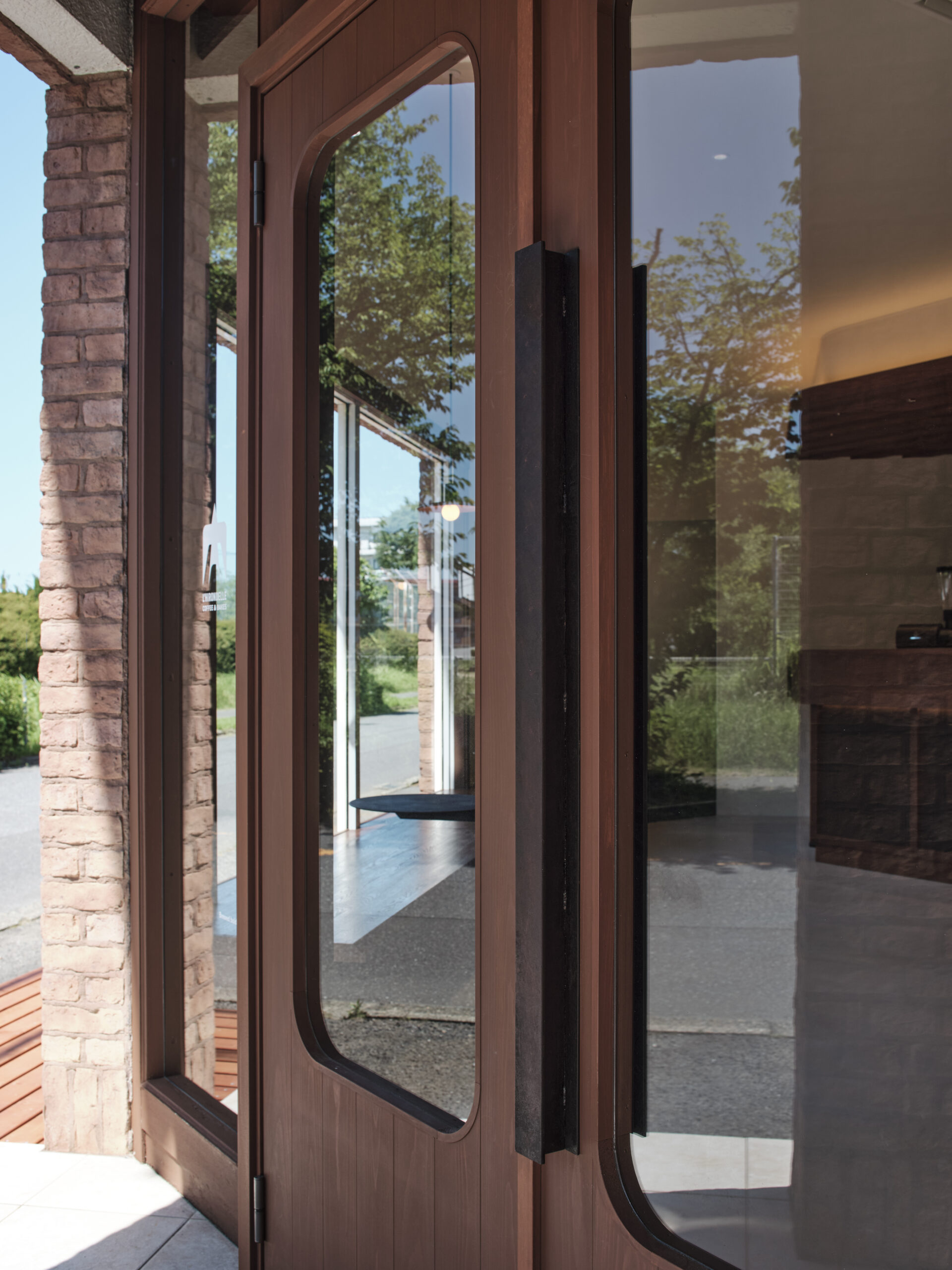
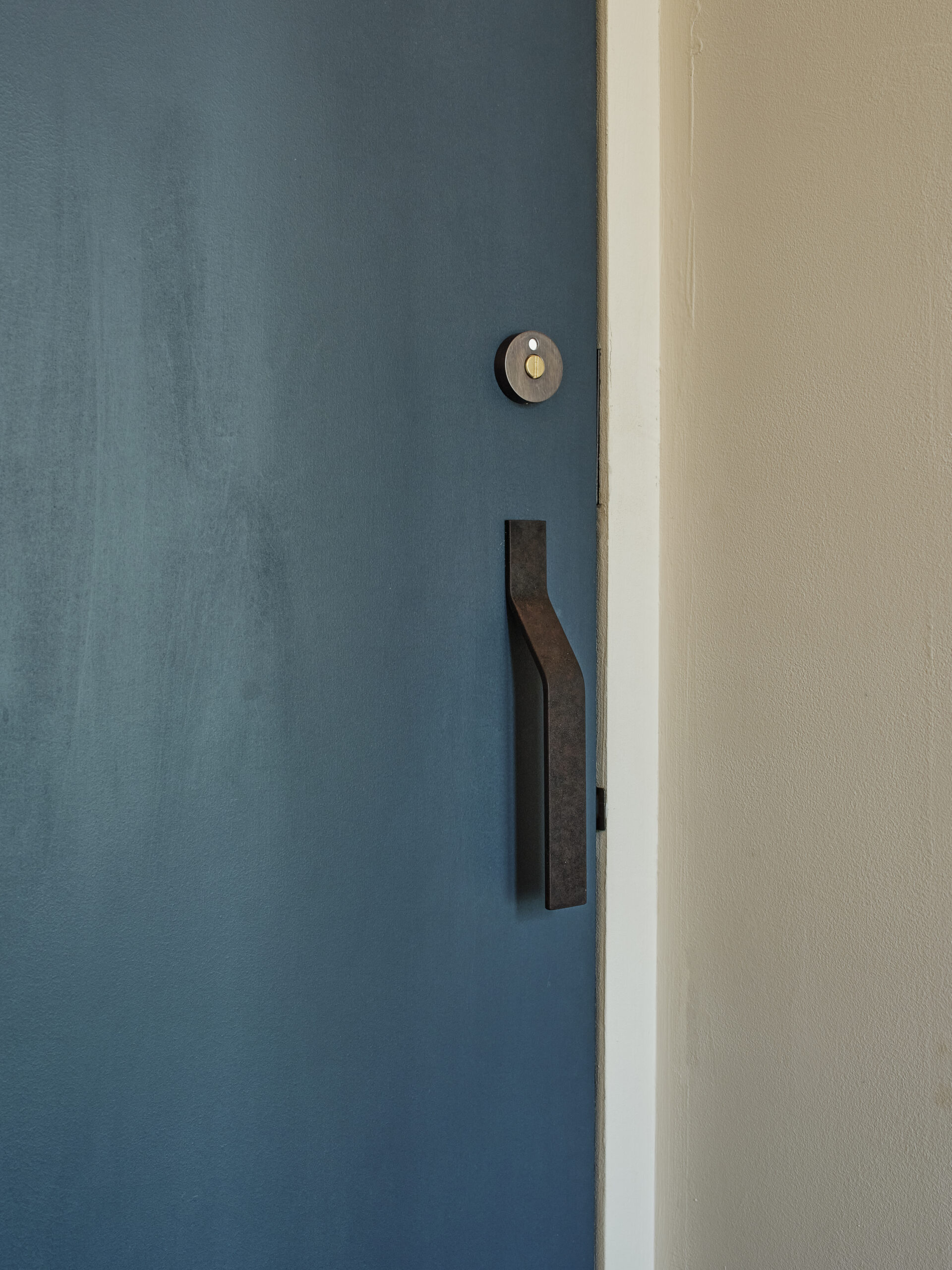
木・鉄・革・漆喰といった自然素材を基調に、地方作家との協業によるオリジナルプロダクトを点在させることで、地域と店が共に育っていく関係性を空間に織り込んでいる。
素材は時間の経過とともに深みを増し、店の歩みと共鳴しながら変化する、静かで豊かな風景を目指した。
"A Starting Point for Journeys Where People Gather and Communities Connect."
Located on a street corner in Tsukuba, an international city shaped by the presence of research institutions and universities, this specialty coffee shop was conceived as a place where people can gather and connect. By integrating a gallery program into the daily experience of enjoying coffee, the project aims to create a hub that welcomes a diverse range of individuals from within and beyond the region, fostering cross-border relationships through exhibitions, events, and informal encounters. The design incorporates room for growth and change, exploring the potential of the space as a platform for commoning.
Despite being a globally oriented research city, Tsukuba still has relatively few places where people can casually meet and form social ties. Established in 1987 through municipal consolidation and rapidly developed around the Tsukuba Science City plan, the city experienced further transformation with the opening of the Tsukuba Express in 2005, which strengthened its connection to Tokyo and accelerated population growth. While the urban center is well-organized, the speed of development and the influx of newcomers have meant that fully matured communities are still limited. At the same time, many international researchers and students reside in the city, while rural landscapes and long-established neighborhoods spread just beyond the core. These layered conditions reveal a region where people of varied backgrounds coexist but have few opportunities to engage in shared spaces.
In response, the project seeks to create a setting where individuals can naturally interact, exchange ideas, and build new relationships through the simple act of drinking coffee. The belief that coffee has the power to connect people across cultures forms the conceptual foundation of the space.
Upon entering, visitors encounter a recessed display shelf carved into an arc-shaped wall. Soft natural light moves across the plaster surface, producing subtle shadows that lend the element a quiet, art-like presence. Adjacent to this wall, a U-shaped counter encourages casual dialogue between guests and staff, functioning as a spatial anchor that establishes a sense of centrality within the interior.
The wainscot is finished with weathered steel panels, whose evolving patina brings depth and material richness to the environment. Equipment visibility is minimized to reduce visual noise, allowing the experience of a single cup of coffee to stand out with clarity and intention. The space is composed to heighten the sensory qualities of brewing, serving, and sharing coffee.
A palette of natural materials—wood, steel, leather, and plaster—creates a tactile and grounded atmosphere. These are complemented by original products made in collaboration with regional artisans, embedding local craft within the space and cultivating a reciprocal relationship between the shop and its community. As the materials age, they deepen in character, forming a quiet landscape that reflects both the passage of time and the evolving identity of the place. Through this approach, the project aspires to serve not only as a coffee shop but as a meaningful starting point for gathering, connecting, and cultivating shared urban life.